acroprint time recorder manual

Acroprint Time Recorder Manual: A Comprehensive Guide
Acroprint recorders, like Models 125, 150, and 150AR3, offer reliable time tracking. This manual details setup, operation, and troubleshooting for accurate attendance solutions.
Acroprint time recorders have long been a trusted solution for businesses needing precise employee time tracking. Renowned for their durability and reliability, these recorders offer a tangible alternative to modern electronic systems. From heavy-duty manual models like the 125RR4 to automatic options such as the 150ER3 and 150, Acroprint caters to diverse operational needs.
These machines utilize physical time cards, providing a secure and auditable record of employee hours. The simplicity of operation, coupled with robust construction, makes them ideal for environments where dependability is paramount. Understanding the core functionalities and maintenance procedures outlined in this manual will ensure optimal performance and longevity of your Acroprint time recorder. This guide will cover everything from initial setup to resolving common issues.
Understanding the Importance of Accurate Time Tracking
Accurate time tracking is fundamental to efficient payroll processing and labor cost management. Utilizing an Acroprint time recorder ensures a verifiable record of employee work hours, minimizing disputes and potential wage errors. Precise data is crucial for compliance with labor laws and regulations, safeguarding your business against costly penalties.
Beyond payroll, detailed time records provide valuable insights into workforce productivity and operational efficiency. Analyzing time card data can reveal patterns, identify bottlenecks, and inform staffing decisions. The tangible nature of time cards offers a level of security and auditability often lacking in purely digital systems. An Acroprint recorder, therefore, isn’t just a timekeeping device; it’s a vital component of sound business practices and responsible financial management.

Acroprint Models: Overview & Comparison
Acroprint offers diverse models like the 125RR4 (manual), 150ER3 and 150 (automatic), and 150AR3, each designed for varying operational needs and budgets.
Acroprint Model 125RR4: Heavy Duty Manual Operation
The Acroprint Model 125RR4 is a robust, heavy-duty time recorder designed for reliable manual operation. This model excels in environments requiring a durable and straightforward time-tracking solution. Operation involves physically pulling a lever to imprint the time – month, date, hour (0-23), and hundredths – onto a standard time card.
Its construction is built to withstand frequent use, capable of handling thousands of impressions. The Model 125 doesn’t require electricity for basic function, making it suitable for locations where power access is limited or unreliable. However, it does require manual intervention for each time punch, making it ideal for smaller businesses or departments where automated systems aren’t necessary.
Regular maintenance, including cleaning and ink ribbon replacement, is crucial for optimal performance. The simplicity of the 125RR4 contributes to its longevity and ease of use, offering a dependable time-recording method.
Acroprint Model 150ER3: Automatic Time Recording Features
The Acroprint Model 150ER3 represents a step up in convenience, offering automatic time recording capabilities. This heavy-duty recorder prints the day of the week, hour (0-23), and hundredths of an hour directly onto standard time cards with minimal user interaction. Simply inserting a time card activates the sturdy print mechanism, allowing for efficient one-hand operation.
This model is particularly well-suited for businesses seeking to streamline their timekeeping process without the need for complex electronic systems. The 150ER3’s automatic function reduces the potential for errors associated with manual punching, improving accuracy.
Featuring a large, easy-to-read analog clock face, the Model 150ER3 provides clear time visibility. Regular maintenance, including ink ribbon changes, ensures consistent and reliable performance. It’s a dependable solution for medium to large-sized workplaces.
Acroprint Model 150: Automatic Operation & Imprint Details
The Acroprint Model 150 is designed for automatic operation, simplifying employee time tracking. This heavy-duty time recorder accepts standard time cards, initiating a print with simple card insertion – a convenient one-hand operation. It’s built to handle high-volume environments, processing thousands of imprints reliably.
The Model 150’s imprint details include the month, date, hours (0-23), and minutes, providing a comprehensive record of employee work hours. Its robust print mechanism ensures clear and legible time stamps on each card. The large analog clock face enhances readability and ease of use.
This model offers a balance of durability and functionality, making it a cost-effective solution for businesses needing accurate attendance tracking. Consistent performance is maintained through routine maintenance and proper ink ribbon replacement.
Acroprint Model 150AR3: Day, Hour, and Minute Recording
The Acroprint Model 150AR3 is a heavy-duty automatic time recorder specifically designed for detailed time tracking. This sturdy, green unit features a clear analog clock face and a convenient slot for standard time cards. Its automatic operation streamlines the recording process, enhancing efficiency in busy workplaces.
A key feature of the Model 150AR3 is its comprehensive imprint format. It records the day of the week, hour (in a 1-12 hour format), and precise minutes, offering a granular level of detail for payroll and attendance management. This detailed recording minimizes ambiguity and ensures accurate calculations;
Built for durability, the 150AR3 provides a reliable attendance solution. Regular maintenance, including ink ribbon replacement, ensures consistent and legible time imprints. It’s an ideal choice for businesses prioritizing detailed time data.

Setting Up Your Acroprint Time Recorder
Proper setup is crucial for accurate timekeeping. This involves correctly loading time cards, installing ink ribbons, and precisely setting the time and date for optimal performance.
Loading Time Cards Correctly
Ensuring proper time card loading is fundamental to the accurate operation of your Acroprint time recorder. Begin by identifying the correct orientation of the time card; typically, there’s a designated ‘top’ edge. Gently slide the card into the recorder’s card slot, ensuring it enters smoothly and aligns with the internal guides.
Avoid forcing the card, as this could cause jams or damage to the recorder’s mechanism. The card should advance automatically until it’s positioned for imprinting. For models like the Acroprint 125RR4, a firm, even pressure is needed during the punching process.
Always verify the card is fully seated before attempting to record time. Incorrectly loaded cards can result in misaligned or incomplete imprints, leading to inaccurate timekeeping. Regularly inspect the card slot for any obstructions or debris that might hinder smooth card insertion and removal. Following these steps will guarantee reliable and precise time recording.
Installing and Replacing Ink Ribbons
Maintaining clear time imprints relies on a properly installed and functional ink ribbon. To install, open the ribbon compartment, typically located on the side or back of the Acroprint recorder. Carefully unroll a new ink ribbon, ensuring the inked side faces outwards, towards the time card path.
Thread the ribbon through the designated guides and spools, winding it securely onto the take-up spool. Ensure the ribbon is taut but not overly stretched. When replacing, remove the old, depleted ribbon and dispose of it responsibly;

Acroprint recorders, such as the Model 150ER3, require specific ribbon types for optimal performance. Using incorrect ribbons can lead to faded or illegible imprints. Regularly check the ribbon’s condition; if imprints become faint, it’s time for a replacement. Proper ribbon installation guarantees consistent, readable time records.
Setting the Time and Date
Accurate timekeeping is crucial for precise payroll and attendance records. Most Acroprint time recorders, including the Model 150, feature an analog clock face for time setting. Gently rotate the clock dial, observing the minute and hour hands, until they match the current time.
Some models may have a separate date adjustment mechanism, often a small dial or lever. Carefully set the date according to the current day, month, and year. Ensure the time and date are synchronized before use.
Regularly verify the time and date, especially after power outages or significant time zone changes. Incorrect time settings will result in inaccurate time card imprints. Refer to your specific model’s instructions for detailed guidance on time and date adjustment procedures. Maintaining accurate time ensures reliable data.
Operating the Acroprint Time Recorder
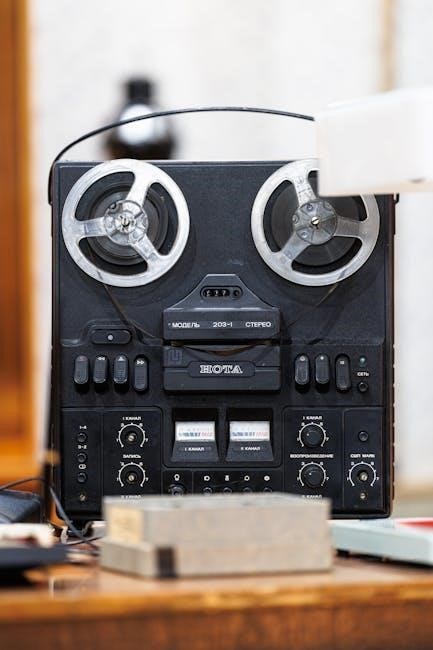
Acroprint recorders offer both manual and automatic operation, depending on the model. Simply insert a time card to record the time, ensuring clear imprints.
Manual Punching Procedure (Model 125RR4)
The Acroprint Model 125RR4 requires a manual punching action for each time record. First, ensure a correctly loaded time card is fully inserted into the card slot. Next, firmly press the punch lever; a complete, downward motion is crucial for a clear imprint.
Observe the analog clock face to align the punch with the precise time. The Model 125RR4 is a heavy-duty recorder, capable of handling frequent use, but consistent, deliberate lever presses are essential. Avoid partial presses, as these result in faint or illegible imprints.
After each punch, visually inspect the time card to confirm the imprint’s clarity. If the imprint is unclear, repeat the process, ensuring a full lever press and correct time alignment. This model records month, date, hour (0-23), and hundredths of an hour, providing detailed time data. Regular use and proper technique will ensure reliable time tracking with the Model 125RR4.
Automatic Recording Process (Models 150 & 150AR3)
Acroprint Models 150 and 150AR3 offer automatic time recording with simple card insertion. To record time, gently slide a correctly loaded time card into the designated slot. The internal mechanism automatically activates upon card entry, creating an imprint without requiring a manual lever press.
The Model 150 imprints month, date, hours (0-23), and minutes, while the 150AR3 records day of the week, hours (1-12), and minutes. Ensure the card is fully inserted for a complete imprint. These recorders are designed for one-hand operation, streamlining the timekeeping process.
After the imprint, remove the card to reveal the recorded time. The sturdy print mechanism in both models handles high volumes efficiently. Consistent card insertion is key to accurate recording. These automatic features enhance workplace efficiency and provide a reliable attendance solution.
Understanding the Time Imprint Format
Acroprint time recorders utilize distinct imprint formats depending on the model. The Model 125RR4 imprints the month, date, hour (0-23), and hundredths of an hour, providing precise time data. Model 150 displays month, date, hours (0-23), and minutes, offering a comprehensive record.
The Model 150AR3 differs, imprinting the day of the week, hour (1-12), and minutes, presenting time in a 12-hour AM/PM format. Understanding these formats is crucial for accurate payroll processing and attendance tracking. The analog clock face on some models visually corresponds to the imprinted time.
Consistent interpretation of these formats ensures data accuracy. Familiarize yourself with the specific imprint of your Acroprint model to avoid errors. Correctly deciphering the time imprint is fundamental to effective time management and workforce accountability.

Troubleshooting Common Issues
Acroprint recorders may experience jams, incorrect imprints, or malfunctions. This section provides solutions for these issues, including error code explanations and repair guidance.
Time Card Jams and Solutions

Time card jams are a common issue with Acroprint recorders, often occurring due to improperly loaded cards or debris within the mechanism. First, always disconnect the power before attempting to clear a jam. Gently pull the card straight back, avoiding tearing.
Inspect the card path for small pieces of paper or obstructions. Use compressed air to carefully remove any debris. Ensure the time cards are correctly aligned during insertion; misaligned cards are prone to jamming. If a card tears during removal, carefully extract all fragments.
Regular cleaning, as detailed in the maintenance section, can prevent jams. Avoid using damaged or warped time cards. If jams persist, consult the full manual or contact a qualified technician, as forcing a jammed card could damage the recorder’s delicate internal components. Proper card handling is key to smooth operation.
Incorrect Time Imprints
Incorrect time imprints on Acroprint recorders usually stem from an improperly set time or date, or a low ink ribbon. Verify the time and date settings are accurate, referencing a reliable time source. Ensure the correct time format (AM/PM or 24-hour) is selected, depending on your model – 150AR3 uses 1-12 hour format.
A faded or weak imprint indicates a worn or incorrectly installed ink ribbon. Replace the ribbon following the instructions in the setup section. Check the alignment of the ribbon; improper alignment results in skewed or incomplete imprints.
If the issue persists, inspect the print hammer for damage or wear. A malfunctioning hammer may require professional repair. Consistent, clear imprints rely on accurate settings, a fresh ribbon, and a functioning print mechanism. Regularly check these elements for optimal performance.
Recorder Malfunctions and Error Codes
Acroprint time recorders, while durable, can experience malfunctions. A complete failure to imprint suggests a power supply issue or a significant mechanical problem, requiring professional servicing. Unusual noises during operation indicate potential internal damage – discontinue use immediately.
While specific error codes aren’t widely documented for all Acroprint models, consistent jamming or repeated failures to recognize time cards point to a mechanical fault. Check for obstructions within the card path. If the clock face displays incorrectly, the internal mechanism may need adjustment or repair.
For Models 125 and 150, a sluggish or unresponsive punch mechanism often signals wear and tear. Attempting self-repair can cause further damage; contact a qualified technician for diagnosis and repair. Regular maintenance, as outlined in this manual, minimizes the risk of malfunctions.

Maintenance and Care
Acroprint recorders require regular cleaning and upkeep for optimal performance. Following a consistent maintenance schedule ensures longevity and accurate timekeeping for all models.
Cleaning the Time Recorder
Regular cleaning is crucial for maintaining the accuracy and longevity of your Acroprint time recorder. Dust and debris can accumulate inside the mechanism, potentially causing jams or inaccurate imprints. Begin by disconnecting the recorder from its power source to ensure safety.

Use a soft, lint-free cloth lightly dampened with isopropyl alcohol to gently wipe down the exterior surfaces. Avoid using harsh chemicals or abrasive cleaners, as these can damage the finish. For the interior, carefully use a small brush or compressed air to remove any accumulated dust from the print mechanism and card feed area.
Pay particular attention to the areas around the ink ribbon and time card slot. Ensure these areas are free of debris to prevent smudging or incomplete imprints. Avoid applying liquids directly into the recorder’s internal components; A clean recorder operates more reliably and provides accurate timekeeping for your workforce.
Regular Maintenance Schedule
To ensure optimal performance of your Acroprint time recorder, a consistent maintenance schedule is essential. Weekly, visually inspect the unit for any loose screws or visible dust accumulation, addressing these promptly. Monthly, perform a thorough cleaning as detailed in the cleaning section of this manual, focusing on the print mechanism and card feed.
Every three months, check the alignment of the print hammer and adjust if necessary to maintain clear, legible imprints on the time cards. Semi-annually, replace the ink ribbon, even if it doesn’t appear completely depleted, to guarantee consistent print quality.
Annually, consider a more detailed inspection of the internal components, potentially by a qualified technician, to identify and address any wear and tear. Following this schedule will minimize downtime and extend the lifespan of your Acroprint recorder, ensuring reliable time tracking.
Storing Your Acroprint Recorder
When storing your Acroprint time recorder for an extended period, proper preparation is crucial to prevent damage and ensure future functionality. Begin by thoroughly cleaning the unit, removing any dust or debris from the internal mechanisms and exterior surfaces. Replace the ink ribbon with a fresh one before storage to avoid potential drying and clogging.
Protect the recorder from extreme temperatures and humidity. Ideally, store it in a cool, dry environment, away from direct sunlight. Consider covering the unit with a dust cover or placing it in a protective bag to shield it from airborne particles.
Remove the time cards to prevent accidental damage or loss of data. Securely pack the Acroprint recorder in its original packaging, if available, or use appropriate cushioning materials to protect it during storage and transport.
Time Card Management
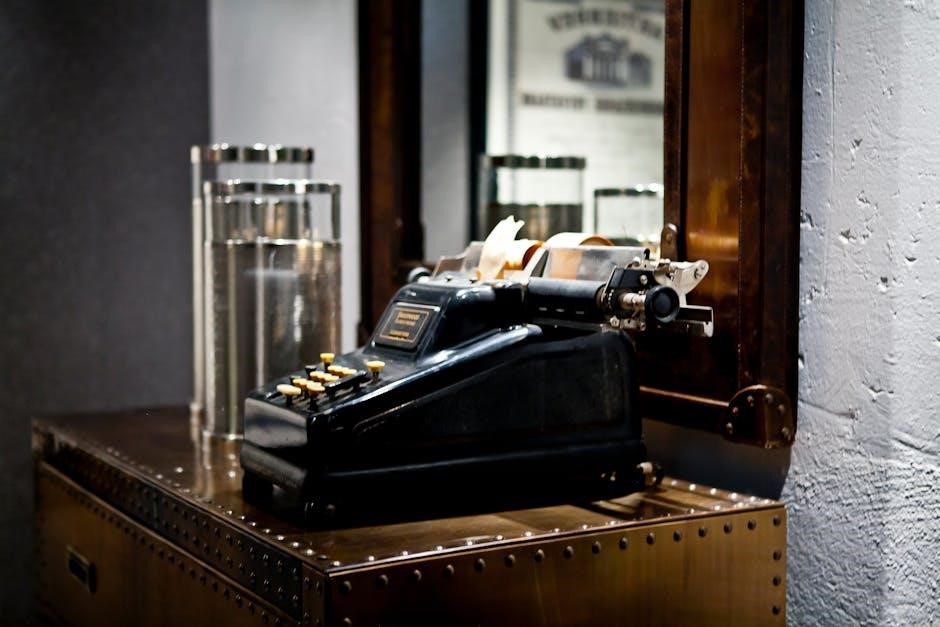
Acroprint systems utilize specific time cards for accurate recording. Proper handling, calculation of hours, and secure storage of these cards are vital for payroll and compliance.
Types of Acroprint Time Cards
Acroprint time recorders are designed to function with a variety of specialized time cards, each tailored to specific recording needs and recorder models. Standard monthly time cards are commonly used, displaying all days of the month for straightforward hour tracking. Daily time cards offer a more granular approach, providing a dedicated space for each workday, ideal for jobs requiring detailed time logging.
Furthermore, Acroprint offers payroll cards pre-printed with department or employee information, streamlining the payroll process. The specific card type required depends on the Acroprint model in use – for example, the Model 125 typically uses standard cards, while the Model 150 series may accommodate variations. It’s crucial to use the correct card to ensure accurate imprinting and compatibility with the recorder’s mechanism. Always verify the card type specified in your recorder’s documentation or by contacting Acroprint support.
Calculating Work Hours from Time Cards
Acroprint time cards provide a physical record of employee clock-in and clock-out times, forming the basis for accurate payroll calculations. To determine total work hours, begin by subtracting the out time from the in time for each day. This yields the daily hours worked. For employees with multiple in/out punches during a shift, sum the durations of each work period.
When calculating weekly totals, add the daily hours worked together. Remember to account for any overtime hours, typically defined as time worked beyond a standard 40-hour workweek. Acroprint recorders, like the Model 150, imprint times precisely, minimizing calculation errors. However, manual verification is always recommended. Utilize time card racks and dedicated payroll software to streamline the process and ensure compliance with labor regulations. Accurate timekeeping is essential for fair compensation and legal adherence.
Time Card Security and Storage
Maintaining the security and integrity of Acroprint time cards is crucial for accurate payroll and legal compliance. Access to time cards should be restricted to authorized personnel only, preventing unauthorized alterations or tampering. Secure storage is paramount; consider a locked filing cabinet or a dedicated, access-controlled room.
Establish a clear retention policy, adhering to local and federal regulations regarding employment records. Digital backups, such as scanned images of time cards, provide an additional layer of security and disaster recovery. Regularly audit time card storage to ensure compliance with your policy. Acroprint systems, when paired with secure storage practices, contribute to a reliable and auditable timekeeping process. Proper handling safeguards employee data and minimizes potential disputes.