first alert smoke alarms manual
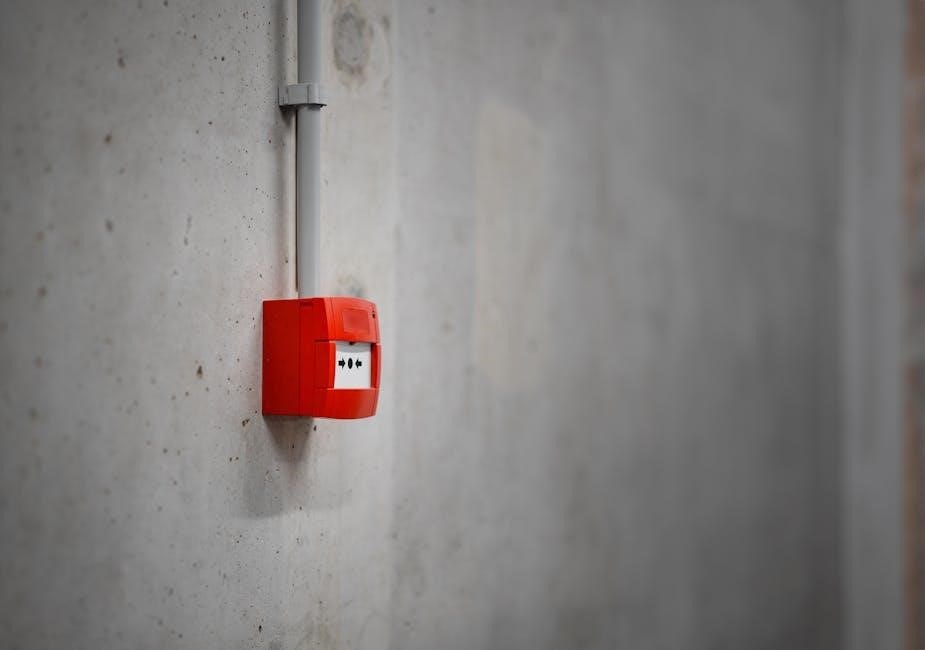
First Alert Smoke Alarm Manual: A Comprehensive Guide
Welcome! This detailed manual provides essential guidance for operating your First Alert smoke alarm, ensuring safety and peace of mind within your single-family home․
Understanding Your First Alert Smoke Alarm
Your First Alert smoke alarm is a critical life-safety device designed to provide early warning of fire, giving you valuable time to escape․ This alarm, particularly models with a 10-year sealed battery and features like an escape light or voice alerts (depending on the model – SM210L is noted), offers continuous protection without the need for battery replacements for a decade․
It’s crucial to understand that this alarm is specifically approved for single-family residences and is not intended for use in marine environments or recreational vehicles․ Proper installation and regular testing, as outlined in this manual, are paramount to ensuring its functionality․ Familiarize yourself with the alarm’s sounds and LED indicators to quickly identify potential issues․ Remember to leave this manual, or a copy, with the end user if installing for others․
Thank you for choosing First Alert to protect your home and family․ This smoke alarm is engineered to detect smoke and provide a timely warning, potentially saving lives․ Before installation, carefully read this entire manual․ Pay close attention to all Dangers, Warnings, and Cautions – these highlight critical operating instructions and potential hazards․
This device is intended solely for use in single-family residences; it’s not suitable for marine or RV applications; Remember, a smoke alarm cannot function without working power – in this case, the integrated 10-year sealed battery․ Understanding its limitations is vital; a smoke alarm is just one part of a complete fire safety plan․ For a Spanish language version of this manual, please visit firstalert․com․
Package Contents & Alarm Overview
Your First Alert smoke alarm package should include the following: one (1) smoke alarm unit, this user manual, and potentially mounting hardware depending on the model․ Carefully unpack all components and verify everything is present․ The alarm itself features a test button for regular functionality checks, and an LED indicator to signal alarm status․
This model, specifically the SM210L with Escape Light, boasts a 10-year sealed battery, eliminating the need for battery replacements during its lifespan․ It’s designed for easy installation and continuous operation․ Familiarize yourself with the alarm’s exterior – noting the test button, LED, and mounting points – before proceeding with installation․ Retain this manual for future reference or to provide to any subsequent residents․
Installation Guide
Before beginning, ensure the alarm is compatible with your home’s structure – it’s approved solely for single-family residences, excluding marine or RV applications․ Carefully read all warnings and cautions within this manual․ Begin by selecting an appropriate location (detailed in the next section)․
Once the location is chosen, use the provided mounting hardware to securely attach the alarm to the ceiling or wall, following the step-by-step instructions․ Avoid installing near kitchens or bathrooms to minimize false alarms․ After mounting, press the test button to verify proper operation․ If the alarm doesn’t sound, double-check the mounting and ensure nothing obstructs the sensor․
Choosing the Right Location for Your Alarm
Optimal placement is crucial for effective smoke detection․ Install alarms on every level of your home, inside each bedroom, and outside sleeping areas․ Avoid areas with obstructed airflow, like near doorways or air vents, as this can hinder detection․
Kitchens and bathrooms are prone to false alarms due to steam and cooking fumes; maintain a distance of at least 10 feet from these areas․ Do not install in attics, garages, or excessively dusty/dirty environments․ Ceiling mounting is generally preferred, but wall mounting is acceptable if at least 4-12 inches from the ceiling․ Ensure the alarm is easily accessible for testing and maintenance․
Mounting the Smoke Alarm (Step-by-Step)
Step 1: Mark the mounting location on the ceiling or wall, ensuring it meets the location guidelines․ Step 2: Using the provided screws, securely attach the mounting bracket to the chosen surface․ Step 3: Align the smoke alarm with the bracket and gently twist clockwise until it locks into place․
Step 4: Verify the alarm is firmly attached and doesn’t wobble․ Step 5: If wall-mounted, ensure it’s at least 4-12 inches from the ceiling․ Step 6: After mounting, immediately test the alarm using the test button to confirm proper functionality․ Proper installation is vital for reliable protection; double-check all connections․
Avoiding Common Installation Errors
Avoid placement near kitchens to minimize false alarms from cooking․ Do not install in dusty or dirty areas, as this can impair sensor function․ Never mount inside bathrooms due to potential humidity interference․ Ensure proper spacing – avoid corners or areas where airflow is obstructed․
Incorrect screw usage can lead to unstable mounting; use only provided hardware․ Failing to test after installation leaves you unaware of malfunctions․ Ignoring location guidelines compromises detection effectiveness․ Over-tightening screws can damage the mounting surface․ Careful attention to these details ensures optimal performance and reliable protection for your home․
Alarm Operation & Features
Your First Alert smoke alarm is designed for continuous operation, providing 24/7 protection․ It features a 10-year sealed battery, eliminating the need for battery replacements during its lifespan․ The alarm incorporates a test button for regular functionality checks․ Some models include an Escape Light, illuminating the path during emergencies․
Distinct alarm sound patterns differentiate between smoke and carbon monoxide (in combination models)․ The alarm utilizes advanced sensing technology for accurate detection․ Voice alarm functionality (on select models) clearly announces the type of emergency․ Regular testing ensures all features operate correctly, maximizing safety and responsiveness in critical situations․
Powering On & Self-Test Function
Upon installation, your First Alert smoke alarm activates automatically due to its 10-year sealed battery – no manual powering on is required! The alarm performs a self-test approximately every 40 seconds, indicated by a brief audible chirp․ This confirms the sensor and circuitry are functioning as expected․
To initiate a manual self-test, press and hold the test button for several seconds․ A loud, piercing alarm sound will confirm the unit is operational․ If the self-test fails or the alarm doesn’t respond, address the issue immediately following the troubleshooting guide․ Consistent self-testing is crucial for reliable performance and peace of mind․
Understanding Alarm Sounds & LED Indicators
Your First Alert smoke alarm utilizes distinct sounds and LED indicators to communicate its status․ A loud, continuous alarm signifies a detected fire or smoke․ A brief, intermittent chirp (approximately every 40 seconds) indicates normal operation during the self-test cycle․
The LED indicator flashes briefly with each chirp, confirming power and functionality․ A flashing red LED during an alarm signals an active fire event․ Different models, particularly those with voice alerts, may provide spoken warnings․ Familiarize yourself with these signals to respond appropriately․ Ignoring any alarm sound is dangerous; always investigate immediately!
10-Year Sealed Battery: Benefits & Lifespan
This First Alert smoke alarm features a 10-year sealed battery, eliminating the need for annual battery replacements and ensuring continuous protection throughout its lifespan․ This provides significant convenience and reduces the risk of alarm failure due to depleted batteries․ The sealed battery is specifically designed to power the alarm reliably for a decade under normal operating conditions;
However, it’s crucial to understand that the alarm itself must be replaced after 10 years, even with a functioning battery․ The sensor’s effectiveness degrades over time․ Do not attempt to open or tamper with the sealed battery; it is not user-replaceable․
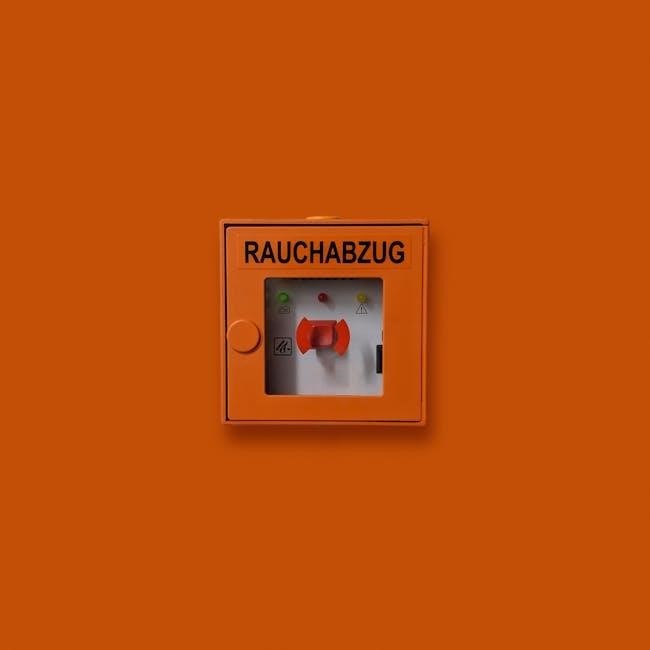
Escape Light Feature: Functionality & Usage
Certain First Alert smoke alarm models, like the SM210L, incorporate an innovative Escape Light feature designed to aid visibility during nighttime emergencies․ When the alarm detects smoke, the integrated light automatically illuminates, providing a guiding glow to help you and your family navigate through darkened hallways and towards safety․
This feature is particularly beneficial in unfamiliar surroundings or during power outages․ The Escape Light isn’t intended as a primary source of illumination, but as a supplemental aid to enhance visibility during evacuation․ Regularly test the alarm to ensure the Escape Light functions correctly alongside the audible alarm․
Maintenance & Troubleshooting
Proper maintenance ensures your First Alert smoke alarm remains reliable․ Regularly clean the alarm’s exterior with a soft cloth to remove dust and debris, preventing false alarms․ Avoid using cleaning agents or water․ A chirping sound often indicates low battery, though this model features a 10-year sealed battery, chirping could signal end-of-life․
False alarms can occur due to cooking fumes or steam․ If this happens, ventilate the area and identify the source․ If the alarm continues to malfunction, consult the troubleshooting section of the full manual available at firstalert․com․ Remember, this alarm requires no battery replacement during its lifespan․
Regular Cleaning Procedures
Maintaining a clean smoke alarm is crucial for optimal performance․ Dust, dirt, and insects can accumulate, potentially causing false alarms or hindering the alarm’s sensitivity․ To clean, gently vacuum the exterior of the alarm using a soft brush attachment․ Avoid using water, cleaning solutions, or detergents, as these can damage the sensor․
Cleaning should be performed at least every six months, or more frequently in dusty environments․ Ensure the alarm is powered on after cleaning․ Do not disassemble the alarm for cleaning, as this will void the warranty and potentially compromise its functionality․ A clean alarm is a reliable alarm, contributing to your home’s safety․
Testing the Alarm Regularly
Regular testing is paramount to ensure your First Alert smoke alarm is functioning correctly․ Press the test button located on the alarm; a loud, piercing sound should immediately follow, verifying the electronic circuitry and horn are operational․ Test your alarm at least once a month, establishing a consistent schedule for reliability․
If no sound occurs upon pressing the test button, replace the entire alarm unit immediately; Do not attempt to repair it․ Consistent testing confirms the alarm’s ability to alert you in case of a fire․ Remember, a tested alarm is a prepared alarm, safeguarding your home and loved ones․ Monthly checks are a simple yet vital safety practice․
Troubleshooting Common Issues (Chirping, False Alarms)
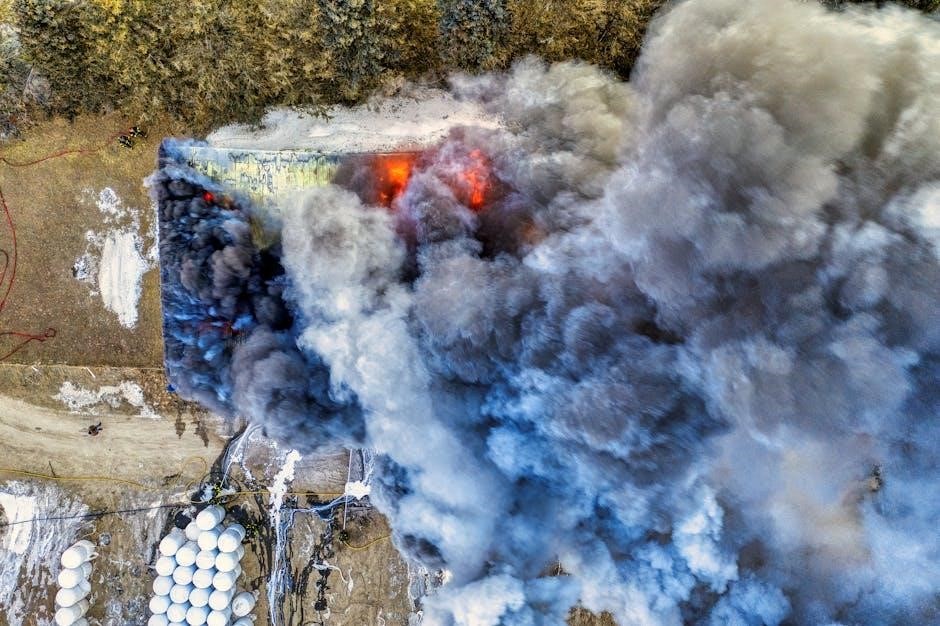
A chirping sound typically indicates a low battery, even with the 10-year sealed battery model – it signals the end of its lifespan and requires full alarm replacement․ False alarms can occur due to cooking fumes, steam, or dust․ If a false alarm activates, immediately ventilate the area and identify the source․
Avoid installing alarms near kitchens or bathrooms․ Dust or insects inside the alarm can also trigger false readings; gently vacuum the exterior with a soft brush attachment․ If problems persist, consult the full manual or First Alert support․ Never disable the alarm to stop nuisance alarms; address the underlying cause instead․
Replacing the Alarm After 10 Years
First Alert smoke alarms with 10-year sealed batteries are designed for a decade of reliable protection, but must be replaced after this period․ The sensor’s accuracy degrades over time, even without obvious malfunction․ Do not attempt to recharge or replace the battery; the entire unit needs replacement․
Carefully remove the old alarm and follow the installation instructions for the new unit, ensuring proper placement․ Dispose of the old alarm responsibly, following local regulations for electronic waste․ Maintaining a consistent level of protection requires timely replacement, safeguarding your home and family․ Record the replacement date for future reference․
Safety Information & Warnings
Important: This smoke alarm is specifically approved for single-family residential use and is not intended for marine or recreational vehicle (RV) applications; Pay close attention to all “Dangers, Warnings, and Cautions” outlined throughout this manual, as they highlight critical operating instructions and potential hazards․

This alarm cannot function without a working power source – the sealed 10-year battery․ Regularly review all safety information to ensure proper operation and understanding of the alarm’s limitations․ Failure to heed these warnings could compromise your safety․ Always prioritize a well-defined escape plan and practice it frequently with all household members․
Dangers, Warnings, and Cautions Explained
Dangers indicate immediate hazards that will result in severe personal injury or death if not avoided․ Warnings signify a potential hazard that could lead to serious injury or death․ Cautions identify potential damage to property or the alarm itself․
These alerts are crucial for safe installation and operation․ Ignoring these instructions may compromise the alarm’s effectiveness․ Always disconnect power before cleaning or maintenance․ This alarm is not a substitute for regular home safety practices, like careful handling of flammable materials․ Ensure the alarm is tested monthly and the battery is not tampered with․
Single-Family Residence Use Only

This First Alert smoke alarm is specifically designed and approved for installation and use within traditional single-family residential dwellings․ It is not intended for use in other environments, including but not limited to marine applications (boats, yachts), recreational vehicles (RVs), mobile homes, or commercial buildings․
Using this alarm outside of its intended residential setting may result in unreliable operation and compromise your safety․ The unique environmental factors present in these alternative locations can interfere with the alarm’s sensing capabilities․ Always adhere to local building codes and regulations regarding smoke alarm installation․
Limitations of Smoke Alarms

While First Alert smoke alarms provide crucial early warning of fires, it’s vital to understand their limitations․ These devices are not foolproof and may not operate reliably in every fire scenario․ Smoke may not reach the alarm, especially if the fire originates in areas remote from the detectors, such as in chimneys, walls, or attics․
Additionally, alarms may not activate immediately․ Factors like air currents, closed doors, or the type of fire can delay detection․ This alarm cannot prevent fires․ Regular maintenance, testing, and a well-defined escape plan are essential complements to smoke alarm protection․ Always prioritize fire safety education and preparedness․
Advanced Features & Models
First Alert offers a range of smoke alarms beyond the standard model, incorporating advanced features for enhanced safety․ Some models include a voice alarm functionality, clearly stating the type and location of the detected danger, aiding quicker response times․
Interconnected alarm systems are also available, where multiple alarms communicate wirelessly; when one detects smoke, all alarms sound, providing comprehensive notification throughout the home․ The SM210L model features an Escape Light, illuminating the path to safety during power outages; Explore First Alert’s website (firstalert․com) to discover the full spectrum of models and select the best fit for your specific needs and home layout․
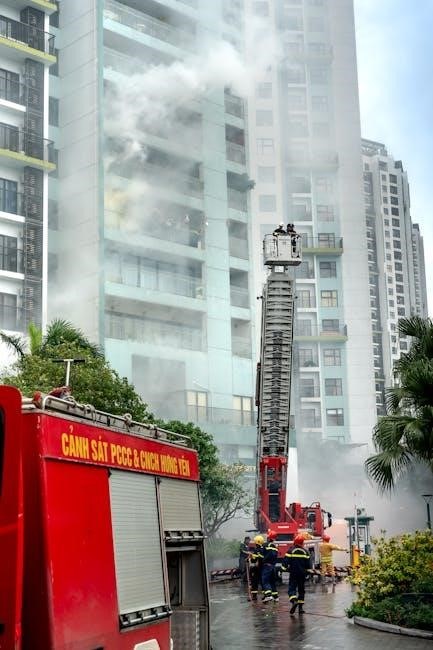
Voice Alarm Functionality (If Applicable)
Certain First Alert smoke alarm models boast an innovative voice alarm functionality, significantly improving emergency response․ Instead of solely emitting a standard beep, these alarms clearly articulate the nature of the detected hazard – for example, “Fire! Fire!” or “Warning: Smoke Detected!”․
This verbal announcement, coupled with the location if the alarm is part of an interconnected system, provides crucial information, especially beneficial for children, the elderly, or individuals with disabilities who may struggle to interpret traditional alarm signals․ Always refer to your specific model’s manual for detailed instructions on utilizing and testing this feature, ensuring optimal performance and understanding during critical moments․
Interconnected Alarm Systems
First Alert interconnected alarm systems offer a heightened level of protection by linking multiple smoke and carbon monoxide alarms throughout your home․ When one alarm detects a hazard, all interconnected alarms sound, regardless of their location․ This is particularly vital for larger homes or those with multiple levels, ensuring everyone is alerted promptly, even if the fire originates far from their current location․

Installation requires careful adherence to the manufacturer’s instructions, often involving a wired or wireless connection․ Interconnection dramatically increases the chances of a swift and safe evacuation, providing a comprehensive safety net for your entire family․ Consult the manual for specific wiring diagrams and compatibility information․
First Alert Resources & Support
Need assistance with your First Alert smoke alarm? A wealth of resources is readily available to support you․ The official First Alert website (firstalert․com) hosts a comprehensive library of manuals, FAQs, and troubleshooting guides for all models․ You can easily locate the specific manual for your alarm by entering the model number․
For direct assistance, First Alert Customer Support is available via phone or online contact forms․ Their knowledgeable representatives can address your questions and provide expert guidance․ Don’t forget to register your product online to receive important safety updates and warranty information․ Furthermore, Spanish language manuals are also accessible on the website, ensuring broad accessibility․
Finding the Manual Online (firstalert․com)
Locating your First Alert smoke alarm manual is simple and convenient! Visit the official First Alert website at firstalert․com․ Navigate to the “Support” or “Manuals” section – often found in the website’s footer or main navigation menu․

From there, you can search for your specific model number, typically found on the back of the alarm itself․ The website offers a searchable database of all First Alert product manuals, including those for alarms with 10-year sealed batteries and escape light features․ You can view, download, or print the manual directly from the website․ Para el manual del usuario en español, select the Spanish language option during your search!
Warranty Information & Registration
Protect your investment with First Alert’s warranty! Your smoke alarm is covered by a limited warranty against defects in materials and workmanship for a specified period from the date of purchase․ To validate and extend your warranty coverage, register your product online at firstalert․com․
The registration process is quick and easy, requiring only your product details and contact information․ Retain your proof of purchase, as it may be required for warranty claims․ The warranty does not cover damage resulting from misuse, improper installation, or battery leakage․ Full warranty details are available on the First Alert website and within the product manual itself․
Contacting First Alert Customer Support
Need assistance with your First Alert smoke alarm? Our dedicated customer support team is here to help! For prompt answers to frequently asked questions, visit the comprehensive support section on firstalert․com․ You’ll find troubleshooting guides, installation videos, and helpful articles․
If you require further assistance, you can reach our support team directly via phone․ Contact details are readily available on the website․ When contacting support, please have your model number and date of purchase handy to expedite the process․ We are committed to providing excellent customer service and ensuring your safety and satisfaction with our products․
Spanish Language Manual Availability
¿Necesita esta guía en español? We understand the importance of providing information in multiple languages․ A complete version of the First Alert smoke alarm manual is readily available in Spanish․
You can easily access and download the Spanish language manual directly from our official website, firstalert․com․ Simply navigate to the support section and search for your specific alarm model․ Look for the link labeled “Manual del Usuario” or “Spanish Manual․” We are dedicated to ensuring all users have access to clear and understandable instructions, regardless of their preferred language․ Your safety is our priority, and we strive to make our products accessible to everyone․