top tech audio bluetooth speaker manual
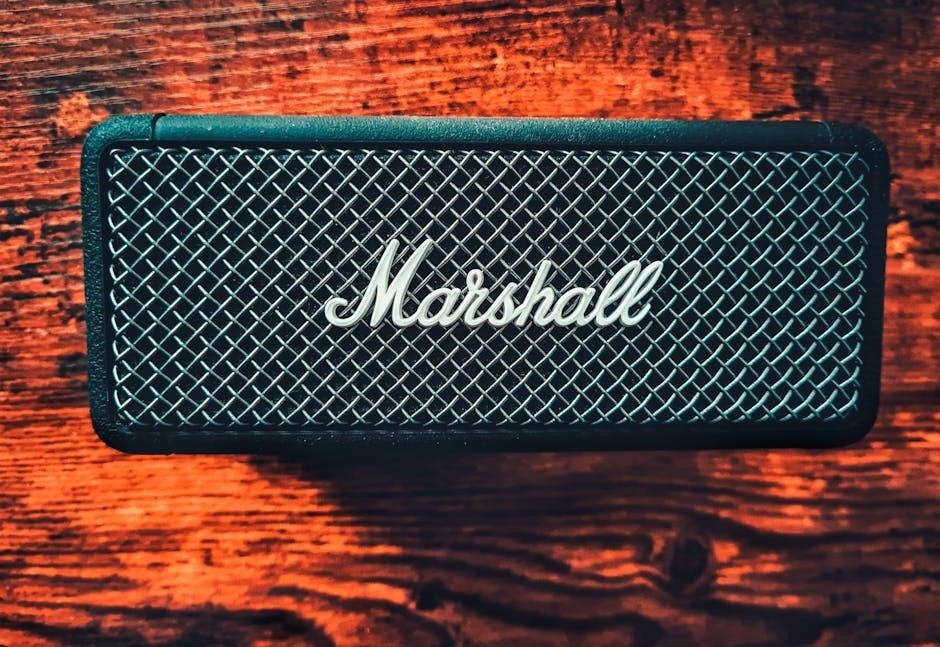
Bluetooth speakers have revolutionized portable audio, offering convenience and impressive sound quality. From compact models by DALI and Brane to powerful JBL options,
the market is booming. Audiophiles are increasingly embracing these advancements, shifting away from traditional passive loudspeakers as technology improves.
What are Bluetooth Speakers?
Bluetooth speakers are wireless audio devices that connect to smartphones, tablets, or computers using Bluetooth technology, eliminating the need for cumbersome cables. They’ve evolved significantly from early, competent models to sophisticated systems delivering high-fidelity sound. Initially, portable audio meant CDs and batteries; now, compact power is readily available.
These speakers contain an amplifier and drivers to produce sound, all powered by a rechargeable battery. The core function is receiving audio signals wirelessly, converting them into audible sound waves. Modern Bluetooth speakers, like those from Sonos, JBL, and Bang & Olufsen, offer features beyond basic playback, including voice assistant integration and multi-speaker connectivity.
Their popularity stems from portability and ease of use, making them ideal for both indoor and outdoor listening.
The Rise of Portable Audio
Portable audio experienced a dramatic shift with the advent of Bluetooth speaker technology. Remembering a time of CDs and spare batteries highlights how far we’ve come. Wireless speakers exploded in popularity over the last decade, offering convenience previously unavailable. This growth is fueled by improvements in audio codecs and battery life, making speakers like the JBL Xtreme 4 incredibly appealing.
The appeal extends to audiophiles, with brands like DALI and Brane offering compact, high-fidelity options. Sonos’s recent product releases, despite past app issues, demonstrate continued innovation. The ease of use and affordability, exemplified by Majority’s new lines, further contribute to this rise.
Ultimately, portable audio is now synonymous with freedom and quality.
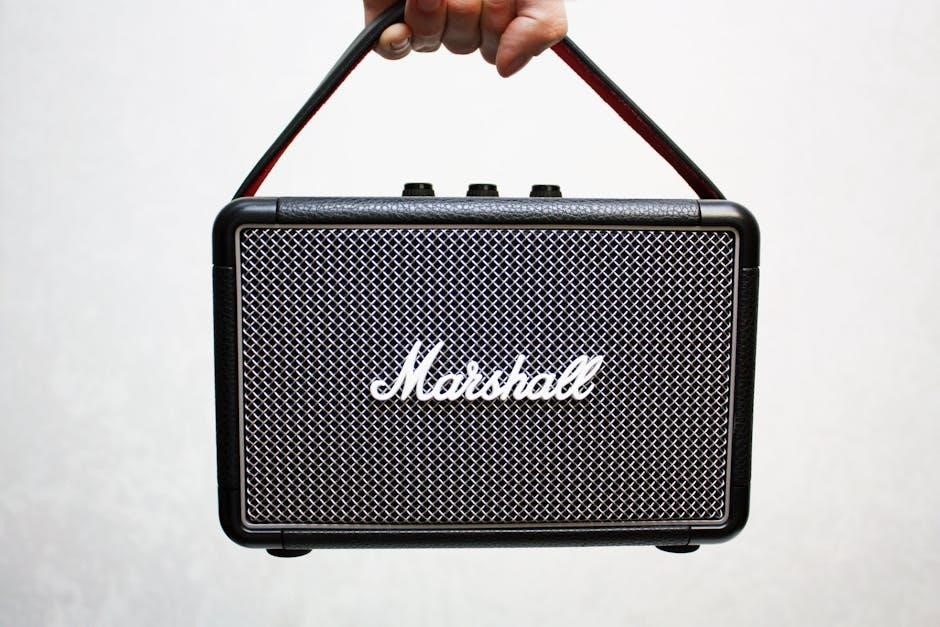
Key Features to Consider
Selecting a Bluetooth speaker requires evaluating sound quality, Bluetooth range, battery life, and durability—especially IP ratings for water resistance. These factors define performance.
Sound Quality & Drivers
Exceptional sound quality hinges on the speaker’s drivers – the components that convert electrical signals into audible sound. Larger drivers generally produce deeper bass, while smaller drivers excel in clarity for higher frequencies. Consider the speaker’s configuration: a single full-range driver is common in compact models, but many premium speakers, like the JBL Xtreme 4, employ multiple drivers (woofers and tweeters) for a more balanced and immersive audio experience.
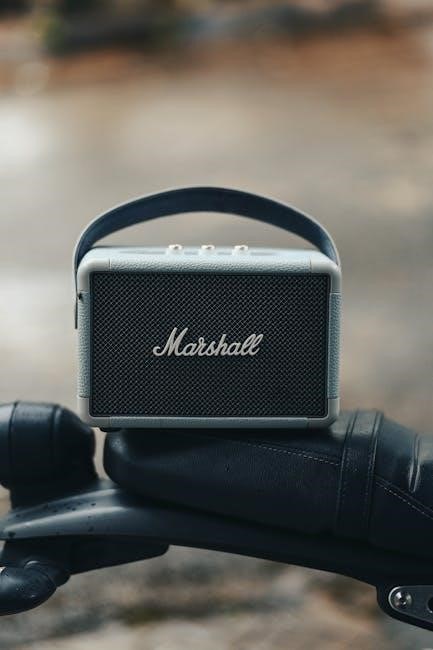
Furthermore, advancements in audio codecs play a crucial role. Modern codecs deliver higher-resolution audio, enhancing detail and dynamic range. The sonic performance of Bluetooth speakers is rapidly improving, even challenging traditional passive systems, making them increasingly appealing to audiophiles seeking portability without compromising fidelity.
Bluetooth Version & Range
Bluetooth version significantly impacts connection stability, range, and power efficiency. Newer versions, like Bluetooth 5.3 (and beyond, as technology evolves towards 2026), offer improved range – typically up to 30-50 feet (10-15 meters) in open spaces – and more reliable connections, minimizing dropouts. Older versions may struggle with interference or have a shorter effective range.
Range can be affected by obstacles like walls and other electronic devices. Look for speakers supporting advanced Bluetooth profiles for enhanced audio transmission. The stability of the connection is paramount for uninterrupted listening, especially when enjoying music on the go. Choosing a speaker with a current Bluetooth standard ensures a seamless wireless experience.
Battery Life & Charging
Battery life is a crucial factor for portable Bluetooth speakers, varying significantly between models. Expect anywhere from 8 to 20+ hours of playtime on a single charge, depending on volume level and features used. Consider speakers with USB-C charging for faster and more convenient power-ups. Some newer models are exploring wireless charging capabilities, aligning with broader trends in mobile technology.
Charging times also differ; a quick charge feature can be invaluable. Pay attention to whether the speaker can be used while charging. Battery health degrades over time, so proper maintenance – avoiding extreme temperatures and fully discharging the battery infrequently – will maximize longevity.
Water Resistance & Durability (IP Ratings)
Water resistance is a key consideration for outdoor use, with IP ratings indicating the level of protection. An IP67 rating, for example, signifies dust-tight and protection against immersion in water up to 1 meter for 30 minutes. Lower ratings offer splash resistance, suitable for poolside or beach use, but not full submersion.
Beyond water, assess the speaker’s overall durability. Rugged designs with reinforced casings and shockproof materials are ideal for adventurous lifestyles. Consider the materials used – rubberized coatings and sturdy plastics enhance resilience. A durable speaker will withstand accidental drops and the rigors of travel, ensuring long-term enjoyment.
Top Brands & Models (2026)
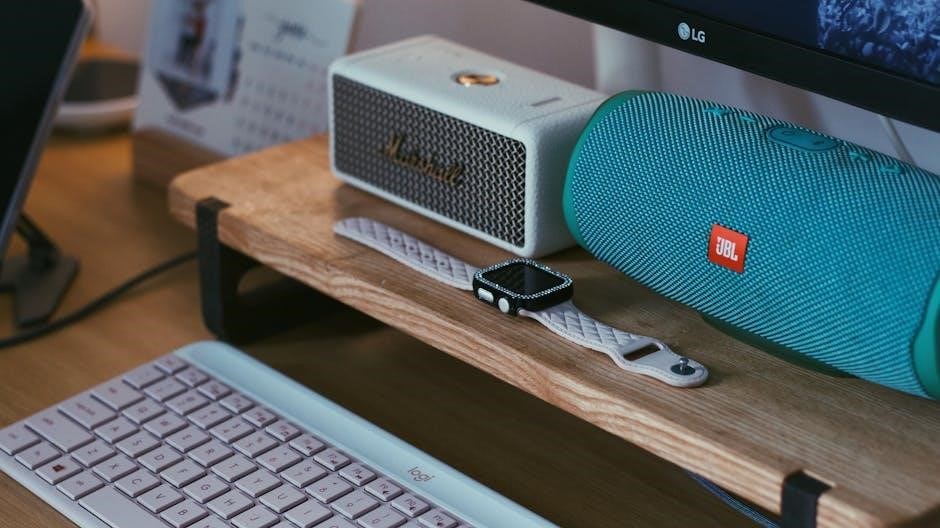
Leading brands like JBL (Xtreme 4), Sonos (new Play), Bang & Olufsen, DALI & Brane offer diverse options. Majority provides affordable alternatives, catering to varied budgets and preferences.
JBL: Xtreme 4 and Beyond
JBL continues to dominate the portable speaker market, with the Xtreme 4 earning a 2024 What-Hi-Fi? Product of the Year award. Available at Amazon for around $249, it represents a compelling blend of power and portability. JBL’s success stems from consistently delivering robust sound and durable designs.
While not always the cheapest option, the Xtreme 4 justifies its price with impressive performance. The brand is known for pushing boundaries in Bluetooth speaker technology, and future models are anticipated to build upon this foundation. Expect continued innovation in areas like battery life, waterproofing, and potentially, integration with smart home ecosystems. JBL remains a go-to choice for those prioritizing both quality and reliability.
Sonos: The New Play & App Updates
Sonos recently unveiled its first new products since 2024, introducing the Sonos Play – their latest portable speaker. This launch follows a period of turbulence for the company, stemming from a disastrous app update in mid-2024 that severely impacted user experience. The update, intended for setup and management of Sonos products, was widely criticized for its instability and bugs.
The new Play represents Sonos’s attempt to regain consumer trust and reaffirm its position in the premium portable audio space. Alongside the hardware, significant focus is being placed on refining the app experience, addressing the issues that plagued previous versions. Sonos is striving to deliver a seamless and reliable ecosystem for its users, combining high-fidelity sound with intuitive control.
Bang & Olufsen: Premium Portable Options
Bang & Olufsen continues to offer a compelling range of premium portable Bluetooth speakers, catering to audiophiles who prioritize both sound quality and sophisticated design. Their models are frequently highlighted among the best compact wireless options available, alongside brands like Brane, DALI, and Devialet. These speakers are engineered for portability without compromising on the brand’s signature high-fidelity audio experience.
B&O’s portable offerings represent a significant investment, reflecting their commitment to superior materials and craftsmanship. They provide a luxurious listening experience, suitable for both indoor and outdoor use. As sonic performance in portable speakers improves, Bang & Olufsen remains a key player, attracting customers seeking a blend of style and substance.
DALI & Brane: Compact High-Fidelity
DALI and Brane are rapidly gaining recognition for delivering exceptional high-fidelity audio in compact, portable Bluetooth speaker designs. These brands are frequently mentioned alongside industry leaders like Bang & Olufsen and Devialet when discussing top-tier portable audio solutions. They cater to listeners who demand superior sound quality without sacrificing the convenience of wireless connectivity.
Both DALI and Brane focus on meticulous engineering and driver technology to achieve a remarkably detailed and balanced soundstage. Their speakers are ideal for those seeking a premium listening experience on the go, proving that powerful audio doesn’t require bulky equipment. They represent a compelling alternative for audiophiles embracing the shift towards portable audio.
Majority: Affordable Alternatives
Majority has emerged as a strong contender in the Bluetooth speaker market, offering a compelling range of portable speakers that prioritize affordability without completely sacrificing features. They present a viable option for consumers seeking alternatives to the more premium, and often expensive, offerings from brands like JBL and Sonos.
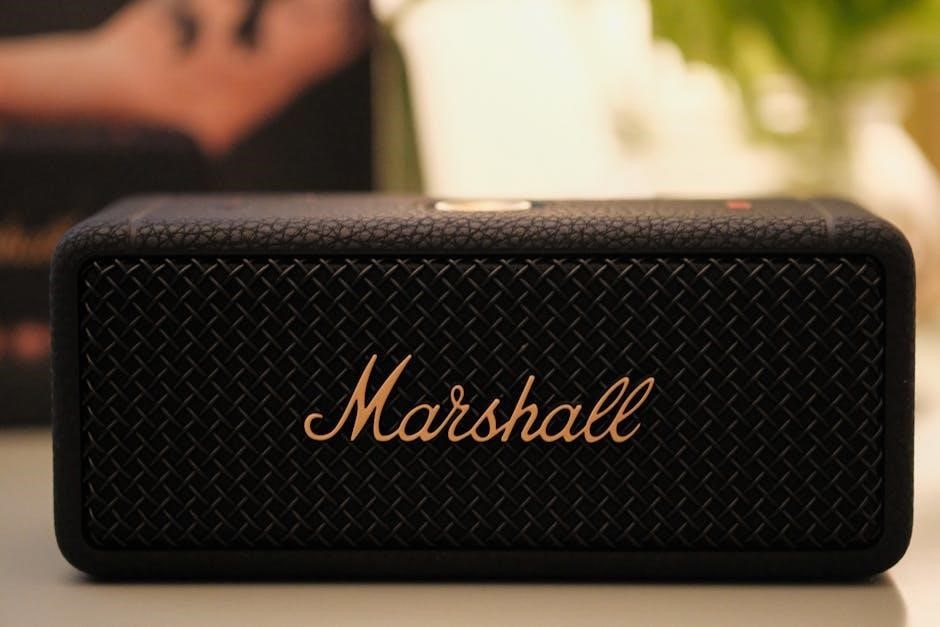
Majority’s new line of speakers delivers a balance of functionality and price, making quality portable audio accessible to a wider audience. While they may not match the sonic fidelity of high-end models, they provide a solid listening experience for everyday use. This positions Majority as a smart choice for budget-conscious buyers who still desire a reliable and feature-rich Bluetooth speaker.
Understanding Speaker Specifications
Decoding speaker specs – wattage, frequency response, and signal-to-noise ratio – is crucial for informed purchasing. These metrics define performance and audio clarity.
Wattage & Amplifier Class
Wattage, often prominently displayed, indicates a speaker’s maximum power handling capability, but isn’t the sole determinant of loudness. Higher wattage generally allows for greater volume and cleaner sound at higher levels, preventing distortion. However, efficiency plays a significant role; a speaker with lower wattage but higher efficiency can sound louder.
Amplifier class impacts efficiency and sound quality. Common classes include Class A, B, AB, and D. Class D amplifiers, frequently found in Bluetooth speakers, are highly efficient, maximizing battery life. While Class A offers superior sound, it’s less practical for portable devices due to its heat generation and power consumption. Understanding these classes helps assess a speaker’s power delivery and overall performance characteristics.
Frequency Response
Frequency response, measured in Hertz (Hz), defines the range of frequencies a speaker can reproduce. A wider range – typically 20Hz to 20kHz, mirroring human hearing – indicates a more complete sound reproduction. Lower frequencies represent bass, while higher frequencies represent treble.
However, a wide range doesn’t guarantee quality; consistency across the spectrum is crucial. Speakers often exhibit peaks and dips within their frequency response. High-fidelity models from brands like DALI and Bang & Olufsen prioritize a flat, balanced response. Examining frequency response graphs (if available) reveals a speaker’s tonal characteristics and potential strengths or weaknesses in specific frequency bands, impacting the overall listening experience.
Signal-to-Noise Ratio
Signal-to-Noise Ratio (SNR), expressed in decibels (dB), indicates the level of unwanted noise relative to the desired audio signal. A higher SNR signifies a cleaner, clearer sound, as the signal is significantly stronger than the background noise. Ideally, you want a high SNR – typically above 80dB – for a premium listening experience.
Lower SNR values mean more audible hiss, hum, or other distortions, especially at lower volumes. While SNR isn’t always prominently advertised for Bluetooth speakers, it’s a key indicator of build quality and internal component shielding. Brands focusing on high-fidelity, like DALI and Bang & Olufsen, generally prioritize minimizing noise for a purer audio output, resulting in a superior SNR.
Troubleshooting Common Issues
Common problems include Bluetooth pairing failures, sound distortion, and battery issues. Sonos app updates have recently caused setup difficulties for some users, requiring troubleshooting steps.
Bluetooth Pairing Problems
Experiencing difficulty connecting your Bluetooth speaker? First, ensure Bluetooth is enabled on both your speaker and the source device (phone, tablet, etc.). Verify the speaker isn’t already connected to another device; Bluetooth often only supports one active connection at a time. Try forgetting the speaker in your device’s Bluetooth settings and re-pairing it.
If problems persist, move the devices closer together. Interference from other wireless signals can disrupt pairing. Restarting both the speaker and the source device can often resolve temporary glitches. For Sonos speakers, a problematic app update in 2024 caused widespread pairing issues, so ensure your app is updated or consider troubleshooting steps specific to Sonos’s support resources. Finally, check for firmware updates for your speaker, as these can improve Bluetooth compatibility.
Sound Distortion & Volume Control
If you notice sound distortion, first lower the volume on both your speaker and the source device. Overdriving the speaker can cause clipping and a distorted sound. Experiment with different audio sources to determine if the issue is source-specific. Check for obstructions near the speaker drivers; anything blocking the sound can affect clarity.
Equalizer settings on your device can also contribute to distortion – try resetting them to default. For premium brands like Bang & Olufsen or DALI, ensure you’re within the speaker’s optimal volume range for the best fidelity. If distortion continues, a firmware update might address internal processing issues. Remember, even high-quality speakers like the JBL Xtreme 4 have limits; respect them for optimal performance.
Battery Issues & Charging Errors
Experiencing battery problems? First, ensure you’re using the provided charging cable and a compatible power adapter. Avoid charging from a computer USB port if possible, as it may deliver insufficient power. If the speaker isn’t charging, try a different outlet and cable. For models like the Sonos Play, a recent app update might affect charging behavior – check Sonos’ support resources.
If the battery drains quickly, reduce the volume and disable features like extra bass. Extreme temperatures can also impact battery life. If issues persist, a full discharge followed by a complete recharge cycle can sometimes recalibrate the battery. Contact the manufacturer (JBL, Majority, etc.) if problems continue, as it could indicate a battery fault.
Maximizing Your Speaker’s Performance
Optimize sound by strategically placing your speaker and adjusting equalizer settings. Regularly check for firmware updates to ensure peak performance and stability.
Optimal Placement for Sound
Achieving the best audio experience with your Bluetooth speaker hinges on strategic placement; Avoid tucking it away in corners or obstructing the drivers; this muffles the sound. Ideally, position the speaker on a stable surface, allowing sound waves to radiate freely.
For a wider soundstage, experiment with elevating the speaker slightly. In smaller rooms, closer proximity to listeners generally enhances clarity. Consider the room’s acoustics – soft furnishings absorb sound, while hard surfaces reflect it.
If using multiple speakers, distribute them evenly for immersive audio. Remember, even minor adjustments can significantly impact the overall listening experience, so experiment to find the sweet spot!
Equalizer Settings & Customization
Fine-tuning your speaker’s sound is easily achieved through equalizer (EQ) settings. Most Bluetooth speakers, or the apps they connect to (like Sonos), offer customizable EQ profiles. Experimenting with these allows you to tailor the audio to your preferences and the music genre.
Boosting bass frequencies enhances low-end impact, ideal for electronic or hip-hop. Increasing treble clarifies vocals and instruments, suiting acoustic or classical music. Be cautious with extreme adjustments, as they can introduce distortion.
Many apps offer preset EQ modes – “Rock,” “Jazz,” “Classical” – as starting points. Don’t hesitate to create and save your own custom profiles for a truly personalized listening experience!
Firmware Updates & Maintenance
Regular firmware updates are crucial for maintaining optimal performance and accessing new features on your Bluetooth speaker. Manufacturers like Sonos frequently release updates to address bugs, improve sound quality, and enhance app compatibility. Check the speaker’s companion app periodically for available updates.
Proper maintenance extends your speaker’s lifespan. Clean the exterior with a soft, damp cloth. Avoid harsh chemicals or abrasive cleaners. Store the speaker in a dry, dust-free environment when not in use.
Sonos experienced issues with a problematic app update in 2024, highlighting the importance of reading release notes before updating. A well-maintained speaker delivers consistent, high-quality audio for years to come.
The Future of Bluetooth Speaker Technology
Advancements in audio codecs, smart home integration, and wireless charging are poised to redefine Bluetooth speakers, offering seamless connectivity and enhanced user experiences.
Advancements in Audio Codecs
The evolution of audio codecs is a critical driver in improving Bluetooth speaker performance. Early Bluetooth speakers relied on SBC, a basic codec, but newer models increasingly support AAC and aptX, delivering significantly higher fidelity.
Looking ahead, codecs like LDAC, developed by Sony, promise near-Hi-Res audio quality over Bluetooth. Further development focuses on reducing latency for improved synchronization with video, crucial for streaming and gaming.
These advancements aren’t just about theoretical improvements; they translate to richer soundscapes, clearer vocals, and a more immersive listening experience. Expect future speakers to dynamically switch between codecs to optimize for both quality and connection stability, ensuring the best possible audio regardless of the source device.
Integration with Smart Home Systems
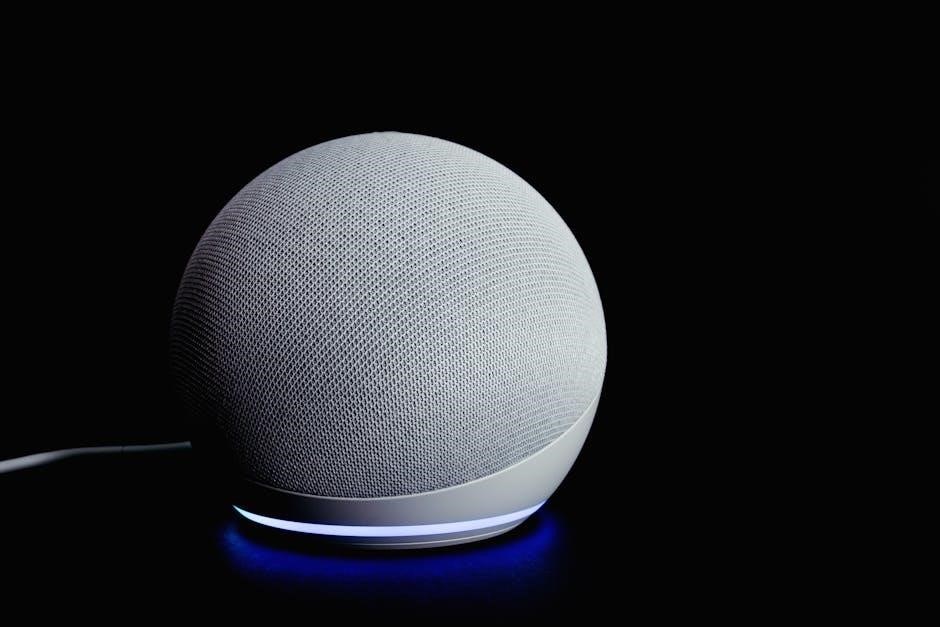
Seamless integration with smart home ecosystems is becoming a defining feature of modern Bluetooth speakers. Sonos has been a pioneer in this area, but other brands are rapidly catching up, offering compatibility with voice assistants like Amazon Alexa, Google Assistant, and Apple Siri.
This allows for voice control of music playback, volume adjustment, and even multi-room audio setups. Speakers can now respond to commands, integrate into routines, and provide information, extending their functionality beyond simple audio reproduction.
Future developments will likely see deeper integration, enabling speakers to act as central hubs for smart home control, responding to a wider range of commands and coordinating with other connected devices.
Wireless Charging & Power Delivery
The convenience of wireless charging is steadily gaining traction in the Bluetooth speaker market, mirroring the trend in smartphones and other portable devices. This eliminates the need for cables, offering a cleaner and more user-friendly experience.
Beyond standard wireless charging, advancements in Power Delivery (PD) technology are enabling faster and more efficient charging speeds. This is particularly beneficial for speakers with larger batteries, minimizing downtime and maximizing usability.
Future speakers may even incorporate reverse wireless charging, allowing them to wirelessly charge other devices, like smartphones or earbuds, further enhancing their versatility and value.