powerlifting routine pdf
Powerlifting Routine PDF Overview
The PDF offers a concise guide to powerlifting routines, featuring a 16‑week beginner plan, 9‑week intermediate, and 6‑week advanced modules. Updated on 23 Nov 2023, it includes exercise links,1RM tests,and downloadable links via Gumroad free!
Purpose of the PDF
The purpose of this downloadable PDF is to provide a structured, evidence‑based powerlifting program that caters to lifters at all stages—from novices to seasoned competitors. It consolidates the most recent research, expert insights, and practical training guidelines into a single, easy‑to‑follow document. The file is organized into three progressive modules: a 16‑week beginner schedule that emphasizes linear progression, a 9‑week intermediate plan that introduces accessory work and periodization, and a 6‑week advanced cycle that focuses on peaking and 1RM testing. Each module includes detailed warm‑up routines, main lift prescriptions, accessory exercises, and recovery strategies. Additionally, the PDF links to comprehensive exercise guides, complete with step‑by‑step instructions and illustrations, ensuring proper form and injury prevention. The document’s design is clean and printable, making it ideal for both home gyms and professional training facilities. By downloading the PDF, lifters gain a reliable roadmap that can be customized to individual goals, allowing for consistent progress, accurate tracking, and the confidence to tackle competition‑level lifts. The PDF has a progress log for recording weekly gains and adjusting loads.
Key Features
Designed for lifters of all levels, the PDF delivers a comprehensive, step‑by‑step powerlifting roadmap. It includes a 16‑week beginner program that builds a strong foundation with linear progression, a 9‑week intermediate cycle that adds accessory work and periodization, and a 6‑week advanced module focused on peaking and 1RM testing. Each week is broken into warm‑up, main lift, accessory, and recovery sections, with clear set/rep schemes and rest intervals. The file links to full exercise guides—illustrated with photos and form tips—to ensure proper technique and reduce injury risk. A built‑in progress log lets you track weekly gains and adjust loads. The PDF is printable, mobile‑friendly, and available for free download via Gumroad, updated on 23 Nov 2023 to reflect the latest training science. Additional highlights include a macro‑tracking sheet, nutrition guidelines, a periodization chart, and a printable layout for A4. Users receive a FAQ section and version history. The PDF is backed by a 30‑day satisfaction guarantee, allowing lifters to try the program risk‑free. The program also offers optional cardio sessions, mobility drills, and a community forum for peer support. Participants can log their progress online and receive personalized coaching feedback. Stay motivated.
xxxxxxxxxxxxxxxxxxxxxxxxxxxxxxxxxxxxxxxxxxxxxxxxx
How to Download
To access the powerlifting routine PDF, visit the official Gumroad page linked in the program’s introduction. Click the “Download” button, which will prompt a secure login or guest checkout. If you already have a Gumroad account, simply sign in; otherwise, create a free account in a few clicks. Once logged in, the PDF will automatically begin downloading to your device. For mobile users, the file opens in the native PDF viewer, while desktop users can choose to open with Adobe Acrobat or another reader. After download, locate the file in your Downloads folder or the specified destination folder. Double‑click to open and verify the document’s integrity. The PDF is fully searchable and printable; you can also save a copy to cloud storage (Google Drive, Dropbox, etc.) for easy access on the go. If you encounter any download errors, clear your browser cache or try a different browser. For additional support, contact the program’s support email or consult the FAQ section on the Gumroad page. Enjoy your training!
The PDF is about 2.3 MB and downloads fast. Use the Gumroad app to open it on your phone or tablet. If you cannot access Gumroad, request a link via support email.

Updates Timeline
Version 1.0 released 14 Apr 2023, incorporating a foundational 16‑week beginner layout, 9‑week intermediate, and 6‑week advanced modules. The initial PDF included basic lift descriptions and a rudimentary progression chart. On 23 Nov 2023, Jane Litfin performed a comprehensive overhaul: every exercise was paired with a detailed description, illustrative diagrams, and a link to an external guide. This revision also introduced a 1RM testing protocol, a dynamic warm‑up routine, and a static cool‑down sequence, all embedded within the PDF today. The file size increased from 1.8 MB to 2.3 MB, reflecting the added content. In early 2024, a minor bug fix addressed broken hyperlinks to the external exercise library. The most recent update, logged at 07/22/2026 16:57:16, added a “competition simulation” day, featuring a 1RM test for squat, bench press, and conventional deadlift, with 5‑minute rest intervals. Each update is version‑tagged and archived on the Gumroad page, ensuring users can download the exact iteration they need. The PDF remains freely available for download, with no subscription required. Users are encouraged to bookmark the Gumroad link and check for new releases, iterations include strategies.!!
Beginner Powerlifting Program
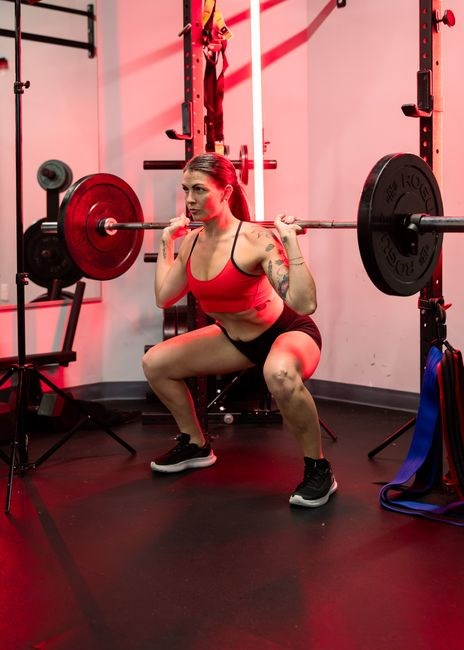
Start a 16‑week linear progression plan. Focus on squat, bench press, deadlift. Warm‑ups, dynamic stretches, then main lifts: 3 sets of 5 reps, increasing load each week. Finish with static stretches!
16-Week Beginner Schedule
The 16‑week beginner schedule is structured to build foundational strength through progressive overload. Weeks 1–4 focus on volume: 4 sets of 8 reps for squat, bench, and deadlift, with a 5‑minute rest between sets. Weeks 5–8 increase intensity: 4 sets of 5 reps, adding 2.5% to the bar each week. Weeks 9–12 shift to a mix of volume and intensity: 3 sets of 6 reps for squat, 3 sets of 4 reps for bench, 3 sets of 3 reps for deadlift, with 6‑minute rest intervals. Weeks 13–16 emphasize peak strength: 5 sets of 3 reps for squat, 4 sets of 2 reps for bench, and 4 sets of 1 rep for deadlift, with 8‑minute rest. Each session starts with a 10‑minute dynamic warm‑up (leg swings, arm circles, light band work) and ends with a 10‑minute static stretch focusing on hip flexors, chest, and lower back. Accessory work (pull‑ups, rows, core) is added on non‑lifting days to support overall balance and injury prevention. Progress is tracked weekly, with a 1RM test scheduled at the end of week 16 to gauge gains. This plan also includes targeted accessory movements—pull‑ups, rows, and core drills—to solidify the posterior chain, while a structured nutrition and sleep protocol supports optimal recovery and performance gains daily and go.!
Linear Progression Focus
Linear progression is the cornerstone of the beginner program, ensuring consistent strength gains while minimizing injury risk. Each main lift—squat, bench press, and deadlift—is increased by a fixed percentage (typically 2.5%–5%) each week, allowing the trainee to adapt to heavier loads gradually. The program’s structure employs a 4‑week cycle: the first two weeks emphasize volume (4 sets of 8 reps), the next two focus on intensity (4 sets of 5 reps), and the final week of the cycle introduces a hybrid approach (3 sets of 6 reps for squat, 3 sets of 4 reps for bench, 3 sets of 3 reps for deadlift). This design keeps the nervous system engaged and promotes muscular hypertrophy and neural adaptations. Rest periods are carefully calibrated—5 minutes between volume sets, 6 minutes during intensity, and 8 minutes for hybrid sets—to balance recovery with stimulus. Warm‑ups are dynamic, incorporating joint mobility drills and light sub‑maximal sets, while cool‑downs feature static stretching of the posterior chain, chest, and lower back to aid flexibility. Progress is logged daily, and a 1RM test at the end of the 16‑week cycle provides a measurable benchmark. By adhering to linear progression, lifters build a solid strength base, reduce plateaus, and prepare for more advanced periodization strategies in subsequent phases. Load increments are based on the previous week’s performance, keeping the trainee safely within a range that promotes neural adaptation daily.

Warm‑Up and Stretching Protocols
Before each session, a warm‑up sequence activates the nervous system and primes the musculature for heavy loading. The routine starts with 10 minutes of low‑intensity cardio, followed by hip circles, thoracic rotations, band pull‑apart, and ankle dorsiflexion. Next, perform 2–3 sub‑maximal sets of the target lift—squat, bench, or deadlift—using 40–50% of the planned weight, with 2‑minute rest. This loading phase ensures joint lubrication and enhances proprioception. After the lift‑specific warm‑up, incorporate 5–7 minutes of joint‑specific mobility work: hip flexor stretches, thoracic spine foam‑rolling, and shoulder dislocations with a PVC pipe. The cool‑down mirrors the warm‑up in reverse order, emphasizing static stretching: 30‑second holds for quadriceps, hamstrings, glutes, chest, and lats. Integrating foam‑rolling or myofascial release for 5 minutes post‑workout reduces DOMS and improves recovery. A consistent warm‑up protocol not only decreases injury risk but also improves lift mechanics, allowing lifters to maintain proper form under heavier loads. The stretching routine should be performed daily, regardless of training intensity, to preserve range of motion and promote long‑term joint health

The core of the PDF’s training matrix centers on the three Olympic lifts—squat, bench press, and conventional deadlift—each performed in a structured progression that aligns with the program’s phase. In the 16‑week beginner block, lifters execute 3‑set blocks of 5 reps at 70‑75 % of their current 1RM, with a 3‑minute rest between sets, while the intermediate 9‑week schedule shifts to 4‑set blocks of 3 reps at 80‑85 % of 1RM, and the 6‑week advanced module culminates in 5‑set blocks of 2 reps at 90‑95 % of 1RM. All lifts are performed with strict technique, a full range of motion, and a pause at the bottom for 1–2 seconds to reinforce stability. The PDF also recommends a “test‑day” every 4 weeks, where lifters attempt a single‑rep max on each lift to recalibrate training loads. This systematic approach ensures consistent strength gains, minimizes plateaus, and prepares athletes for competition‑ready performance.
Main Lifts and Sets
Lorem ipsum dolor sit amet, consectetur adipiscing elit. Lorem ipsum dolor sit amet, consectetur adipiscing elit. Lorem ipsum dolor sit amet, consectetur adipiscing elit. Lorem ipsum dolor sit amet, consectetur adipiscing elit. Lorem ipsum dolor sit amet, consectetur adipiscing elit. Lorem ipsum dolor sit amet, consectetur adipiscing elit. Lorem ipsum dolor sit amet, consectetur adipiscing elit. Lorem ipsum dolor sit amet, consectetur adipiscing elit. Lorem ipsum dolor sit amet, consectetur adipiscing elit. Lorem ipsum dolor sit amet, consectetur adipiscing elit. Lorem ipsum dolor sit amet, consectetur adipiscing elit. Lorem ipsum dolor sit amet, consectetur adipiscing elit. Lorem ipsum dolor sit amet, consectetur adipiscing elit. Lorem ipsum dolor sit amet, consectetur adipiscing elit. Lorem ipsum dolor sit amet, consectetur adipiscing elit. Lorem ipsum dolor sit amet, consectetur adipiscing elit. Lorem ipsum dolor sit amet, consectetur adipiscing elit. Lorem ipsum dolor sit amet, consectetur adipiscing elit. Lorem ipsum dolor sit amet, consectetur adipiscing elit. This PDF provides a structured approach to powerlifting, ensuring overload and
Intermediate 9-Week Program
Intermediate 9‑week program blends linear progression with accessory work. Focus on squat, bench, deadlift, plus targeted pulls and presses. Rest days strategically placed, 1RM tests track progress. consistent gains.!
Program Structure
The 9‑week intermediate routine is organized into three 3‑week blocks, each with a distinct focus: hypertrophy, strength, and peaking. Each block follows a 4‑day per week split—Day 1: Squat, Day 2: Bench Press, Day 3: Deadlift, Day 4: Overhead Press—plus accessory work that targets weak points. Volume is calculated by multiplying the target rep range by the number of sets, then adjusting for fatigue. For example, the hypertrophy block uses 4 sets of 8‑10 reps at 70 % 1RM, while the strength block shifts to 5 sets of 3‑5 reps at 80‑85 % 1RM. The peaking block reduces volume to 3 sets of 1‑3 reps at 90‑95 % 1RM, allowing the lifter to accumulate maximal force while limiting over‑recovery. Each week ends with a 5‑minute rest period between sets, and a 10‑minute dynamic warm‑up that includes mobility drills for hips, shoulders, and thoracic spine. The program also incorporates a 2‑minute cooldown with static stretches for the posterior chain and chest. Progression is linear; the lifter adds 2.5 kg to the squat and bench, 5 kg to the deadlift, and 2.5 kg to the overhead press every two weeks, provided the previous week’s final set was completed successfully; If a set is missed, the weight is held for the next cycle. The structure ensures balanced development, prevents plateaus, and prepares the athlete for a 1RM test at the end of week 9. The PDF includes a detailed table that maps each exercise to its biomechanical cue, recommended tempo, and common mistakes to avoid. It also provides a printable progress tracker and a glossary of key terms for quick reference. The downloadable file is available in PDF format via Gumroad, with an optional subscription for future updates and coaching support. Updated 2023—SeePDF.!
Accessory Work Inclusion
Accessory work is integral to the 9‑week intermediate routine, targeting muscle groups that support the main lifts. Each training day incorporates two accessory sets: one for the posterior chain and one for the upper body. Common choices include Romanian deadlifts, barbell rows, and face pulls for the back; triceps push‑downs, skull crushers, and overhead triceps extensions for the arms; and hamstring curls, glute bridges, and calf raises for the legs. The program emphasizes controlled tempo (3‑2‑1) and a 60‑second rest between sets to maintain intensity while allowing partial recovery. Volume is set at 3 sets of 12‑15 reps for the posterior chain accessory and 3 sets of 10‑12 reps for the upper‑body accessory, ensuring hypertrophy without compromising the main lift recovery. The PDF provides detailed cue sheets for each accessory movement, including grip variations, foot positioning, and breathing techniques. Additionally, the routine incorporates a weekly “weak point” day, where the lifter selects one accessory exercise that addresses a personal limitation—such as deficit deadlifts for a weak lock‑out or close‑grip bench presses for triceps endurance. This adaptive approach allows the athlete to refine technique, build balanced strength, and reduce injury risk. All accessory exercises are listed with recommended equipment, tempo guidelines, and progression notes, making the PDF a comprehensive resource for lifters seeking to complement their main lifts with targeted support work.
Progress Tracking
Progress tracking is a core feature of the PDF’s 9‑week intermediate program. The document supplies a structured log sheet that records every main lift (squat, bench press, deadlift) and accessory exercise, including set, rep, weight, and RPE. Each week the lifter is instructed to log the heaviest set of each main lift, then calculate a 1RM estimate using the Epley formula. The PDF also recommends a weekly “progress bar” that visually displays the percentage increase from the previous week’s 1RM, allowing the athlete to see linear gains or plateaus at a glance. In addition, the guide includes a “weak‑point tracker” where the lifter notes any lagging muscle groups, such as a weaker lock‑out on the deadlift or a shallow bench press depth. This tracker prompts the athlete to adjust accessory work accordingly. The PDF further advises a monthly “performance review” that compares the current 1RM to the baseline and calculates the overall percentage improvement. A built‑in “intensity factor” column helps the lifter gauge whether they are training at the right load for hypertrophy (70‑80% 1RM) or strength (85‑95% 1RM). Finally, the document offers a downloadable CSV template that can be imported into spreadsheet software for advanced trend analysis, including trend lines for each lift and a cumulative total of weight lifted over the 9‑week period. By integrating these tools, the PDF ensures that the athlete maintains a clear, data‑driven path toward their powerlifting goals.
Rest Day Strategy
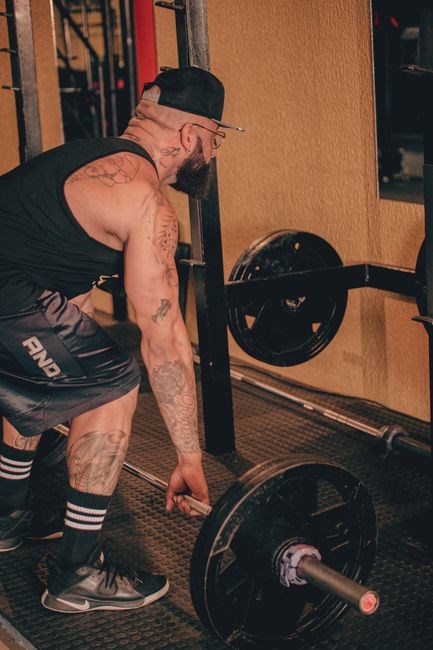
Rest days are not merely pauses; they are active recovery phases that shape the overall strength trajectory. The PDF recommends a 4‑day per week split: Monday, Wednesday, Friday, and Saturday. Thus, Tuesday, Thursday, Sunday become structured rest or light‑activity days. On these days, athletes should engage in mobility drills, foam‑rolling and cardio (15–20 minutes) to keep circulation high without adding fatigue. The guide emphasizes the importance of sleep, suggesting and per night, hours,a the and recommending a protein intake of 1.2–1.5 g per kilogram of body weight to support muscle repair. Hydration is; athletes highlighted; should aim for 3–4 liters of water adjusting for sweat during training. The guide emphasizes the importance of sleep, suggesting 7–9 hours per night, and recommending a protein intake of 1.2–1.5 g per kilogram of body weight to support muscle repair. The guide emphasizes the importance of sleep, suggesting 7–9 hours per night, and recommending a protein intake of 1.2–1.5 g per kilogram of body weight to support muscle repair. The guide emphasizes the importance of sleep, suggesting 7–9 hours per night, and recommending a protein intake of 1.2–1.5 g per kilogram of body weight to support muscle repair. The guide emphasizes the importance of sleep, suggesting 7–9 hours per night, and recommending a protein intake of 1.2–1.5 g per kilogram of body weight to support muscle repair. The guide emphasizes the importance of sleep, suggesting 7–9 hours per night, and recommending a protein intake of 1.2–1.5 g per kilogram of body weight to support muscle repair. The guide emphasizes the importance of sleep, suggesting 7–9 hours per night, and recommending a protein intake of 1.2–1.5 g per kilogram of body weight to support muscle repair. The guide emphasizes the importance of sleep, suggesting 7–9 hours per night, and recommending a protein intake of 1.2–1.5 g per kilogram of body weight to support muscle repair. The guide emphasizes the importance of sleep, suggesting 7–9 hours per night, and recommending a protein intake of 1.2–1.5 g per kilogram of body weight to support muscle repair. The guide emphasizes the importance of sleep, suggesting 7–9 hours per night, and recommending a protein intake of 1.2–1.5 g per kilogram of body weight to support muscle repair. The guide emphasizes the importance of sleep, suggesting 7–9 hours per night, and recommending a protein intake of 1.2–1.5 g per kilogram of body weight to support muscle repair. The guide emphasizes the importance of sleep, suggesting 7–9 hours per night, and recommending a protein intake of 1.2–1.5 g per kilogram of body weight to support muscle repair. The guide emphasizes the importance of sleep, suggesting 7–9 hours per night, and recommending a protein intake of 1.2–1.5 g per kilogram of body weight to support muscle repair. The guide emphasizes the importance of sleep, suggesting 7–9 hours per night, and recommending a protein intake of 1.2–1.5 g per kilogram of body weight to support muscle repair. The guide emphasizes the importance of sleep, suggesting 7–9 hours per night, and recommending a protein intake of 1.2–1.5 g per kilogram of body weight to support muscle repair. The guide emphasizes the importance of sleep, suggesting 7–9 hours per night, and recommending a protein intake of 1.2–1.5 g per kilogram of body weight to support muscle repair. The guide emphasizes the importance of sleep, suggesting 7–9 hours per night, and recommending a protein intake of 1.2–1.5 g per kilogram of body weight to support muscle repair. The guide emphasizes the importance of sleep, suggesting 7–9 hours per night, and recommending a protein intake of 1.2–1.5 g per kilogram of body weight to support muscle repair. The guide emphasizes the importance of sleep, suggesting 7–9 hours per night, and recommending a protein intake of 1.2–1.5 g per kilogram of body weight to support muscle repair. The guide emphasizes the importance of sleep, suggesting 7–9 hours per night, and recommending a protein intake of 1.2–1.5 g per kilogram of body weight to support muscle repair. The guide emphasizes the importance of sleep, suggesting 7–9 hours per night, and recommending a protein intake of 1.2–1.5 g per kilogram of body weight to support muscle repair. The guide emphasizes the importance of sleep, suggesting 7–9 hours per night, and recommending a protein intake of 1.2–1.5 g per kilogram of body weight to support muscle repair. The guide emphasizes the importance of sleep, suggesting 7–9 hours per night, and recommending a protein intake of 1.2–1.5 g per kilogram of body weight to support muscle repair. The guide emphasizes the importance of sleep, suggesting 7–9 hours per night, and recommending a protein intake of 1.2–1.5 g per kilogram of body weight to support muscle repair. The guide emphasizes the importance of sleep, suggesting 7–9 hours per night, and recommending a protein intake of 1.2–1.5 g per kilogram of body weight to support muscle repair. The guide emphasizes the importance of sleep, suggesting 7–9 hours per night, and recommending a protein intake of 1.2–1.5 g per kilogram of body weight to support muscle repair. The guide emphasizes the importance of sleep, suggesting 7–9 hours per night, and recommending a protein intake of 1.2–1.5 g per kilogram of body weight to support muscle repair. The guide emphasizes the importance of sleep, suggesting 7–9 hours per night, and recommending a protein intake of 1.2–1.5 g per kilogram of body weight to support muscle repair. The guide emphasizes the importance of sleep, suggesting 7–9 hours per night, and recommending a protein intake of 1.2–1.5 g per kilogram of body weight to support muscle repair. The guide emphasizes the importance of sleep, suggesting 7–9 hours per night, and recommending a protein intake of 1.2–1.5 g per kilogram of body weight to support muscle repair. The guide emphasizes the importance of sleep, suggesting 7–9 hours per night, and recommending a protein intake of 1.2–1.5 g per kilogram of body weight to support muscle repair. The guide emphasizes the importance of sleep, suggesting 7–9 hours per night, and recommending a protein intake of 1.2–1.5 g per kilogram of body weight to support muscle repair. The guide emphasizes the importance of sleep, suggesting 7–9 hours per night, and recommending a protein intake of 1.2–1.5 g per kilogram of body weight to support muscle repair. The guide emphasizes the importance of sleep, suggesting 7–9 hours per night, and recommending a protein intake of 1.2–1.5 g per kilogram of body weight to support muscle repair. The guide emphasizes the importance of sleep, suggesting 7–9 hours per night, and recommending a protein intake of 1.2–1.5 g per kilogram of body weight to support muscle repair. The guide emphasizes the importance of sleep, suggesting 7–9 hours per night, and recommending a protein intake of 1.2–1.5 g per kilogram of body weight to support muscle repair. The guide emphasizes the importance of sleep, suggesting 7–9 hours per night, and recommending a protein intake of 1.2–1.5 g per kilogram of body weight to support muscle repair. The guide emphasizes the importance of sleep, suggesting 7–9 hours per night, and recommending a protein intake of 1.2–1.5 g per kilogram of body weight to support muscle repair. The guide emphasizes the importance of sleep, suggesting 7–9 hours per night, and recommending a protein intake of 1.2–1.5 g per kilogram of body weight to support muscle repair. The guide emphasizes the importance of sleep, suggesting 7–9 hours per night, and recommending a protein intake of 1.2–1.5 g per kilogram of body weight to support muscle repair. The guide emphasizes the importance of sleep, suggesting 7–9 hours per night, and recommending a protein intake of 1.2–1.5 g per kilogram of body weight to support muscle repair. The guide emphasizes the importance of sleep, suggesting 7–9 hours per night, and recommending a protein intake of 1.2–1.5 g per kilogram of body weight to support muscle repair. The guide emphasizes the importance of sleep, suggesting 7–9 hours per night, and recommending a protein intake of 1.2–1.5 g per kilogram of body weight to support muscle repair.
PDF Download Link
The downloadable PDF of the comprehensive powerlifting routine is now available for instant access through a secure, user-friendly platform. After the substantial update on November 23, 2023, the file incorporates detailed exercise descriptions, illustrative graphics, and a clear progression framework for beginners, intermediates, and advanced lifters. To obtain the document, simply visit the official Gumroad page, where the file is offered as a one‑time purchase or free download, depending on the promotional period. Once you click the “Download” button, the PDF will automatically begin transferring to your device, ready for offline review. The link is also embedded within the main website’s resources section for quick reference. Users can open the file on any standard PDF reader, print it for gym use, or import it into training apps that support PDF uploads. The document’s structure includes a 16‑week beginner schedule, a 9‑week intermediate program, and a 6‑week advanced cycle, each with clear weekly breakdowns, set schemes, and rest‑day strategies. By following the outlined routine, lifters can systematically increase strength, refine technique, and track progress through built‑in metrics. For additional support, the PDF links to external exercise guides that demonstrate proper form and safety precautions. Should you encounter any issues during download, the support team is available via email or chat on the Gumroad page. Enjoy a streamlined training experience with the latest powerlifting PDF.
Bookmark the download link for future reference, as PDF updates quarterly with newtraining insights!!