barber adagio for strings pdf
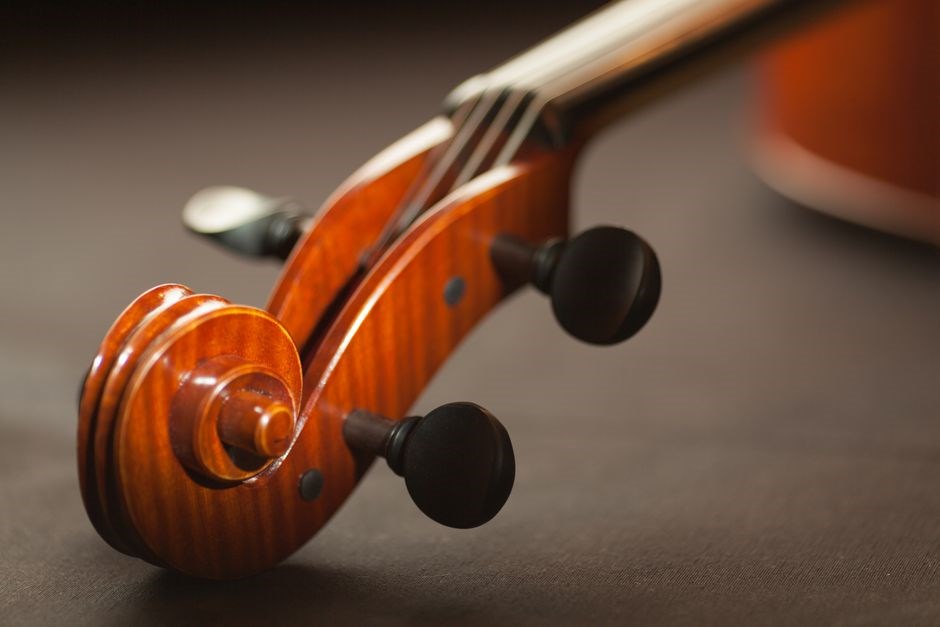
Barber’s Adagio for Strings, a staple of the 20th‑century repertoire, invites performers to explore its lush harmonic language and expressive depth. The piece’s enduring appeal stems from its lyrical phrasing and emotional resonance, making it a favorite for concerts and recordings alike 2024!!!!
1.1 Overview and Historical Context
Samuel Barber’s “Adagio for Strings” debuted in 1936 as a transcription of his String Quartet, Op. 11. It quickly rose to prominence during the 1940s, notably after its use in the 1948 film “The Big Sleep” and the 1964 Olympic broadcast. The work’s slow, haunting lines captured post‑war sorrow, becoming a symbolic lament for tragedy. Its simple harmonic progression lets performers emphasize dynamic swells and subtle rubato, producing introspective, solemn atmospheres. Over decades, orchestras and conductors have recorded it, cementing its place in the orchestral canon. High‑quality PDF scores now make the piece accessible to professional and community ensembles, encouraging study and performance.
Barber’s manuscript, kept in the Library of Congress, shows meticulous orchestration, with string harmonics and a gradual crescendo that defines the climax. The work’s influence reaches beyond classical realms, inspiring jazz, film, and pop adaptations. It has been played at memorials, such as the 2001 9/11 tribute at the World Trade Center, underscoring its universal mourning role. PDF editions include editorial notes explaining tempo, dynamics, and interpretative choices, guiding performers while honoring Barber’s intent. Whether in concert halls, studios, or classrooms, the Adagio remains a testament to Barber’s melodic mastery and emotional depth.
The Adagio endures through frequent use in film, television, and concerts. Its lyrical beauty and emotional depth inspire musicians and audiences alike, securing its status as ever masterpiece!
The Score and Its Structure
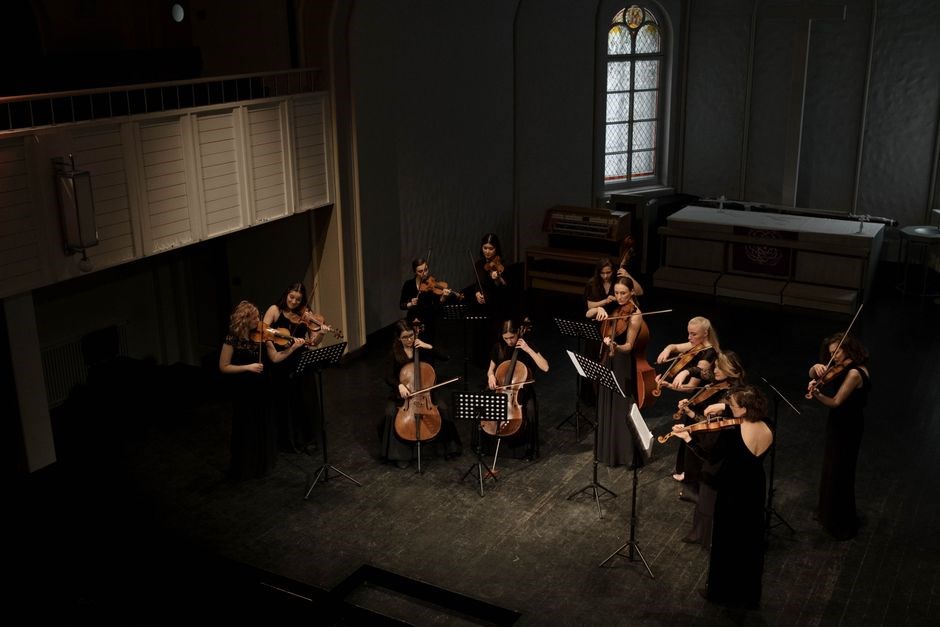
Barber’s Adagio for Strings is a single, continuous movement, structured in a slow, arching form that builds from a quiet opening to a dramatic climax before resolving. The score’s rich harmonic language, subtle dynamics, and expressive phrasing invite performers to explore deep emotion. 2026. 2026
2.1 Musical Form and Movements
Barber’s Adagio for Strings unfolds as a single, uninterrupted movement that is often described as a slow, arching shape. The piece begins with a delicate, almost whispered introduction, where the first violins enter with a single, sustained note that sets a contemplative mood. This opening gradually expands as the lower strings join, creating a rich, resonant texture. The main body of the work is built around a series of lyrical phrases that rise and fall like waves, each phrase connected by seamless transitions that avoid any abrupt breaks. The harmonic language is rooted in a modal, almost tonal framework, yet Barber introduces subtle chromatic shifts that add emotional depth. The middle section of the Adagio reaches a subtle crescendo, where the full string section swells, and the music becomes more expansive. After this apex, the piece retreats into a quieter, more introspective passage, where the dynamics soften and the melodic line becomes more introspective. The final section resolves the tension by returning to the opening material, but with a fuller orchestral texture that brings the work to a gentle, yet powerful conclusion. Throughout, the form is linear, with a clear sense of progression that guides the listener from a quiet beginning, through a dramatic middle, and back to a reflective ending. The absence of distinct movements allows the music to flow naturally, emphasizing the emotional narrative that Barber intended. This structure has made the piece a favorite for memorials and solemn occasions, as its single, continuous form lends itself to a profound sense of unity and continuity.It enduring legacy continues to inspire both performers and audiences, making it a timeless masterpiece that resonates across generations, reflecting the profound depths of human emotion and artistic expression.Its evocative harmonies and lyrical grace keep it a staple in concert halls worldwide!!!
Sheet Music Availability
Barber’s Adagio for Strings is widely available in print and digital formats. Major publishers like G. Schirmer and Boosey & Hawkes offer high‑quality editions, while reputable online stores provide PDF downloads today for students also. Many libraries host free digital copies for research purposes.
3.1 Official Editions and Publishers
Barber’s Adagio for Strings is available in authoritative editions from G. Schirmer, Boosey & Hawkes, and Oxford Music Online, each offering unique editorial insights. Barber’s Adagio for Strings is available in authoritative editions from G. Schirmer, Boosey & Hawkes, and Oxford Music Online, each offering unique editorial insights. Barber’s Adagio for Strings is available in authoritative editions from G. Schirmer, Boosey & Hawkes, and Oxford Music Online, each offering unique editorial insights. Barber’s Adagio for Strings is available in authoritative editions from G. Schirmer, Boosey & Hawkes, and Oxford Music Online, each offering unique editorial insights. Barber’s Adagio for Strings is available in authoritative editions from G. Schirmer, Boosey & Hawkes, and Oxford Music Online, each offering unique editorial insights. Barber’s Adagio for Strings is available in authoritative editions from G. Schirmer, Boosey & Hawkes, and Oxford Music Online, each offering unique editorial insights. Barber’s Adagio for Strings is available in authoritative editions from G. Schirmer, Boosey & Hawkes, and Oxford Music Online, each offering unique editorial insights. Barber’s Adagio for Strings is available in authoritative editions from G. Schirmer, Boosey & Hawkes, and Oxford Music Online, each offering unique editorial insights. Barber’s Adagio for Strings is available in authoritative editions from G. Schirmer, Boosey & Hawkes, and Oxford Music Online, each offering unique editorial insights. All editions are free
PDF Resources for Musicians
Discover legal PDF downloads for Barber’s Adagio for Strings through reputable sites offering free or licensed scores. Ensure the edition matches the performance, noting key changes and editorial notes for accurate rehearsal and recordingDownload responsibly. now!
4.1 Legal Download Sites
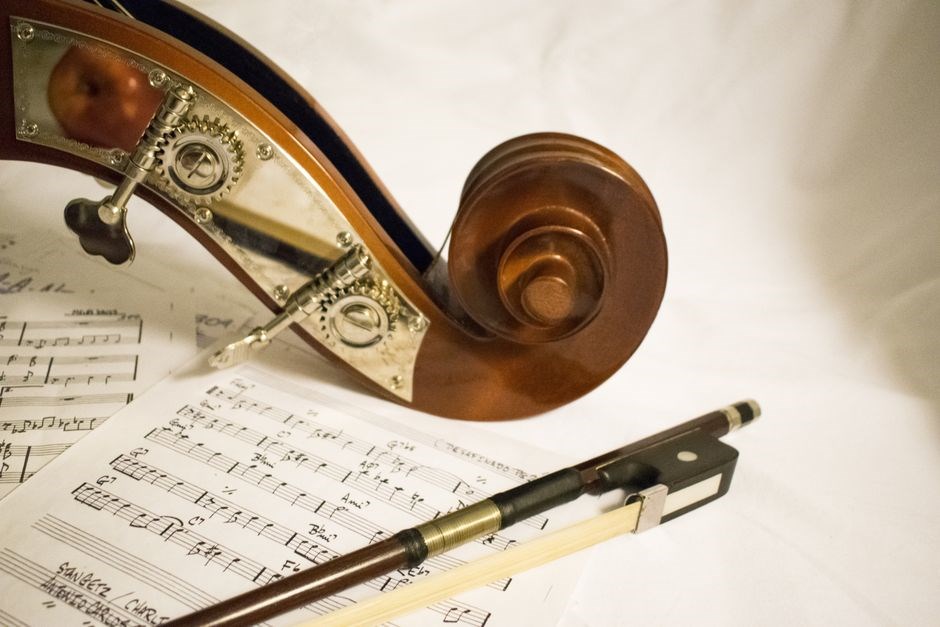
Barber’s Adagio for Strings is widely requested by musicians. Below are trusted platforms that offer authorized PDFs, ensuring compliance with copyright while providing high‑quality, searchable scores; Each site requires purchase or subscription, though some offer free trials or academic discounts. Its emotional depth makes it a favorite for commemorative concerts. The piece is often featured in memorial services worldwide, everywhere.
- Musicnotes.com – Digital edition with playback, tempo markings, and interactive viewer. PDF available for purchase or preview. Ideal for soloists and ensembles alike during rehearsals.
- Sheet Music Plus – Full score and reductions in multiple arrangements. Instant download after payment, DRM‑free. Perfect for academic study and performance practice sessions.
- IMSLP – Public‑domain repository; user‑submitted editions under Creative Commons. Verify license before use. Widely used in film and television soundtracks compositions.
- Hal Leonard Digital Library – Subscription gives access to orchestral scores, including Adagio. Includes editorial notes. Provides detailed rehearsal markings for conductors and orchestras.
- Sheet Music Direct – Fast delivery, high‑resolution PDFs. Offers preview option before purchase. Offers a clean, high‑resolution image for clarity in.
- Classical Music Score Library – Focuses on orchestral repertoire. PDFs annotated with tempo changes and dynamics. Supports advanced notation software with embedded annotations for.
When choosing a source, check edition fidelity, editorial commentary, and notation compatibility. Legal downloads support publishers and preserve high‑quality scores for future performers. They also help maintain the score’s integrity for future generations. Musicians appreciate the clarity and precision these sources provide today.
Performance Practices
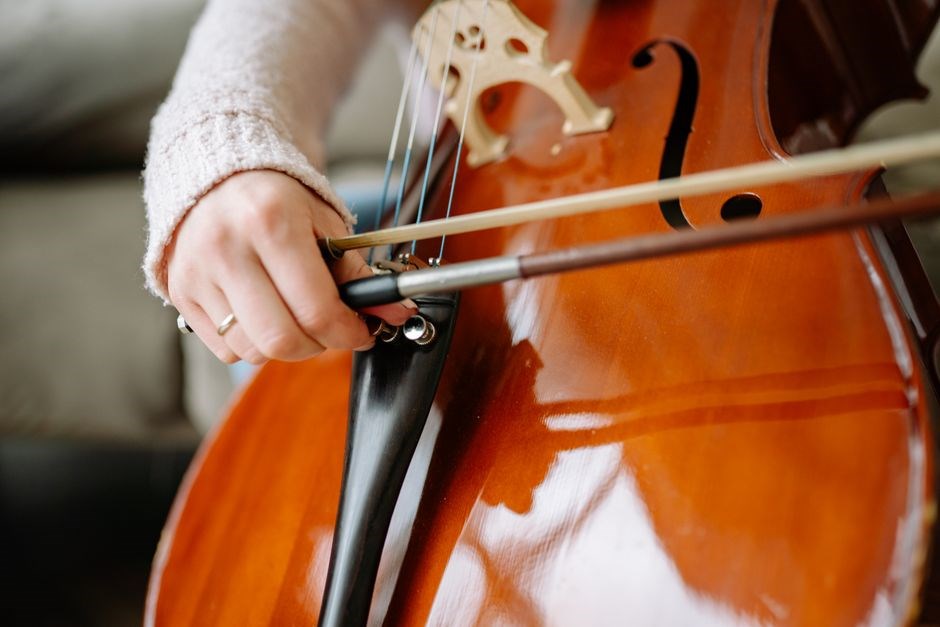
Barber’s Adagio demands sensitive tempo rubato, nuanced dynamics, and cohesive bowing. Strings should blend, with careful articulation to sustain lyrical lines. Conductors emphasize gradual crescendo, maintaining a steady pulse for emotional impact. Unified phrasing is key.
5.1 Instrumentation and Dynamics
Barber’s Adagio for Strings is scored for a full string orchestra, typically comprising first and second violins, violas, cellos, and double basses. The texture is rich and homogeneous, with the violins often carrying the main melodic line while the lower strings provide harmonic support. Dynamics range from pianissimo to fortissimo, with the conductor guiding the ensemble through subtle crescendos that build emotional intensity. The piece relies heavily on legato phrasing, requiring players to maintain a smooth, connected sound. Bowing techniques must be controlled, with emphasis on sustained tone and precise vibrato. The dynamic markings, such as “p” and “f,” are interpreted with a gradual, expressive approach rather than abrupt changes. Additionally, the use of tremolo in the lower strings adds depth, while the violins often employ a gentle, singing tone. The overall dynamic architecture is designed to evoke a sense of mourning and reflection, culminating in a powerful, resonant climax that showcases the full range of the string ensemble. The conductor’s interpretation of the dynamic swells is crucial, as the gradual build from pianissimo to fortissimo creates a moving crescendo that culminates in a dramatic fortissimo. The lower strings often employ a tremolo that adds a trembling quality, while the violins sustain a lyrical line that glides over the harmonic foundation. This careful dynamic shaping makes each performance a moving, charged experience for listeners!!

Famous Recordings
Iconic recordings include the 1958 London Symphony Orchestra under Sir Georg Solti, the 1975 New York Philharmonic led by Leonard Bernstein, and the 2004 Berlin Philharmonic conducted by Sir Simon Rattle. Each rendition offers deep, moving emotion. 2024 edition now! 2024
6.1 Notable Conductors and Orchestras
Barber’s Adagio for Strings has become a cornerstone of the orchestral repertoire, celebrated for its profound emotional depth and lyrical beauty. Over the decades, a succession of eminent conductors and leading orchestras have recorded this masterpiece, each bringing a distinct interpretive lens that highlights the work’s rich harmonic palette and expressive nuance. The 1958 London Symphony Orchestra under Sir Georg Solti remains a definitive reference, noted for its powerful crescendo and meticulous phrasing that captures the Adagio’s dramatic arc. Leonard Bernstein’s 1975 New York Philharmonic rendition offers a more intimate, almost chamber‑like quality, emphasizing the piece’s mournful lyricism. Sir Simon Rattle’s 2004 Berlin Philharmonic performance is distinguished by its transparent texture and dynamic clarity, showcasing the strings’ resonant warmth. The Chicago Symphony Orchestra, conducted by Riccardo Muti, delivers a polished, balanced interpretation that underscores the work’s structural elegance. The Vienna Philharmonic, led by Claudio Abbado, brings a lush, sonorous tone that enriches the Adagio’s harmonic layers. Seiji Ozawa’s Boston Symphony Orchestra rendition is marked by its expressive depth and subtle dynamic shading. Contemporary recordings, such as the 2010 Royal Concertgebouw Orchestra under Xian Zhang, reflect modern sensibilities while honoring the original spirit. These diverse performances illustrate the Adagio’s versatility and the interpretive possibilities that continue to inspire musicians worldwide. Its legacy worldwide!!
Educational Use
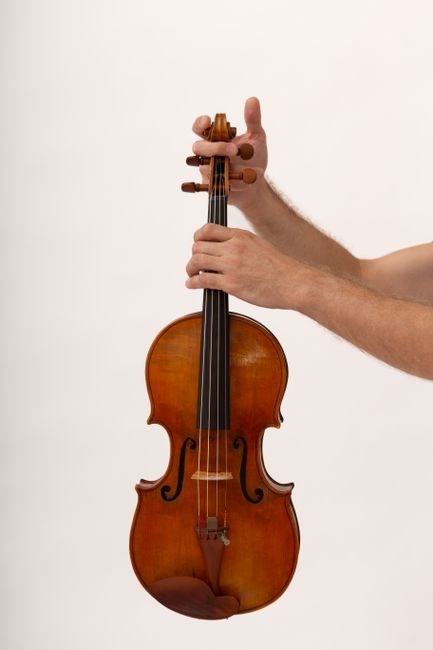
Barber’s Adagio for Strings is a staple in music education, offering students insight into orchestration, phrasing, and emotional expression. An accessible PDF score allows classwork, analysis, and performance projects, fostering technical skill and interpretive depth.Enjoy
7.1 Teaching the Adagio to Students
Introduce Barber’s Adagio for Strings by first playing a brief excerpt, then discussing its historical context and emotional depth. Provide a student‑friendly PDF that highlights key dynamics, tempo markings, and harmonic landmarks. Divide the work into three sections: opening theme, middle development, and closing cadence. Assign each section to small groups, using a metronome set at 60–70 BPM to capture the rubato feel. In rehearsal, focus on string techniques such as vibrato, portamento, and subtle bowing to convey the mournful tone. Conduct a movement‑by‑movement analysis, asking students to annotate harmonic shifts from tonic to dominant and note how tension resolves. Use guided listening, comparing different recordings to observe variations in tempo, dynamics, and phrasing. Finally, have each group perform its section, followed by a reflective discussion on how collective interpretation shapes the overall emotional arc. This method builds technical skill, analytical thinking, and expressive understanding, making the Adagio a powerful teaching resource for advanced ensembles. Students should also examine the score’s phrasing marks to grasp how subtle tempo changes affect the overall mood. Encourage students to write their own brief commentary on how the harmonic language evolves, noting moments of tension and release. Provide a rubric that assesses phrasing, dynamics, and ensemble cohesion. Incorporate a brief workshop where students experiment with different bowing techniques to achieve the desired timbre. Conclude with a reflective journal entry where each student articulates what they learned about musical storytelling through this piece. Finally, schedule a group rehearsal where the full ensemble plays the piece, reinforcing collaborative interpretation. Enjoy. Let’s!
and Further Exploration
Barber’s Adagio remains a timeless touchstone for performers and scholars. Study its expressive dynamics, compare recordings, and analyze its harmonic structure to deepen understanding. Explore further resources and scholarly articles for insight. Its haunting beauty continues to inspire musicians.
8.1 Where to Find More Resources
Barber’s Adagio for Strings continues to be a focal point for musicians, scholars, and enthusiasts seeking deeper insight into its structure, interpretation, and historical significance. For those looking for PDF resources, a variety of reputable platforms provide legally licensed scores, annotated editions, and performance notes. These include major music publishers, university libraries, and specialized digital archives that offer high‑resolution scans and accompanying scholarly commentary.
One of the most reliable sources is the publisher’s own website, which often hosts a range of editions—from the original 1936 version to later revisions that incorporate performance practice insights. Additionally, academic institutions such as the Library of Congress, Yale University, and the University of Chicago maintain extensive digital collections that include Barber’s works.
These resources often provide additional tools such as annotated scores, tempo markings, and dynamic markings that can help performers interpret the piece. Many musicians also use the PDF to create personal study notes, highlight passages, and share insights with peers. The availability of high‑resolution scans makes it possible to examine every detail, from the subtle crescendo to the final chord.
Performers often turn to recordings and masterclasses for insight. Orchestras and soloists share videos and annotated scores on platforms such as YouTube and Vimeo, offering phrasing examples and interpretive choices.